
This post may contain affiliate links. Please read our disclosure policy.
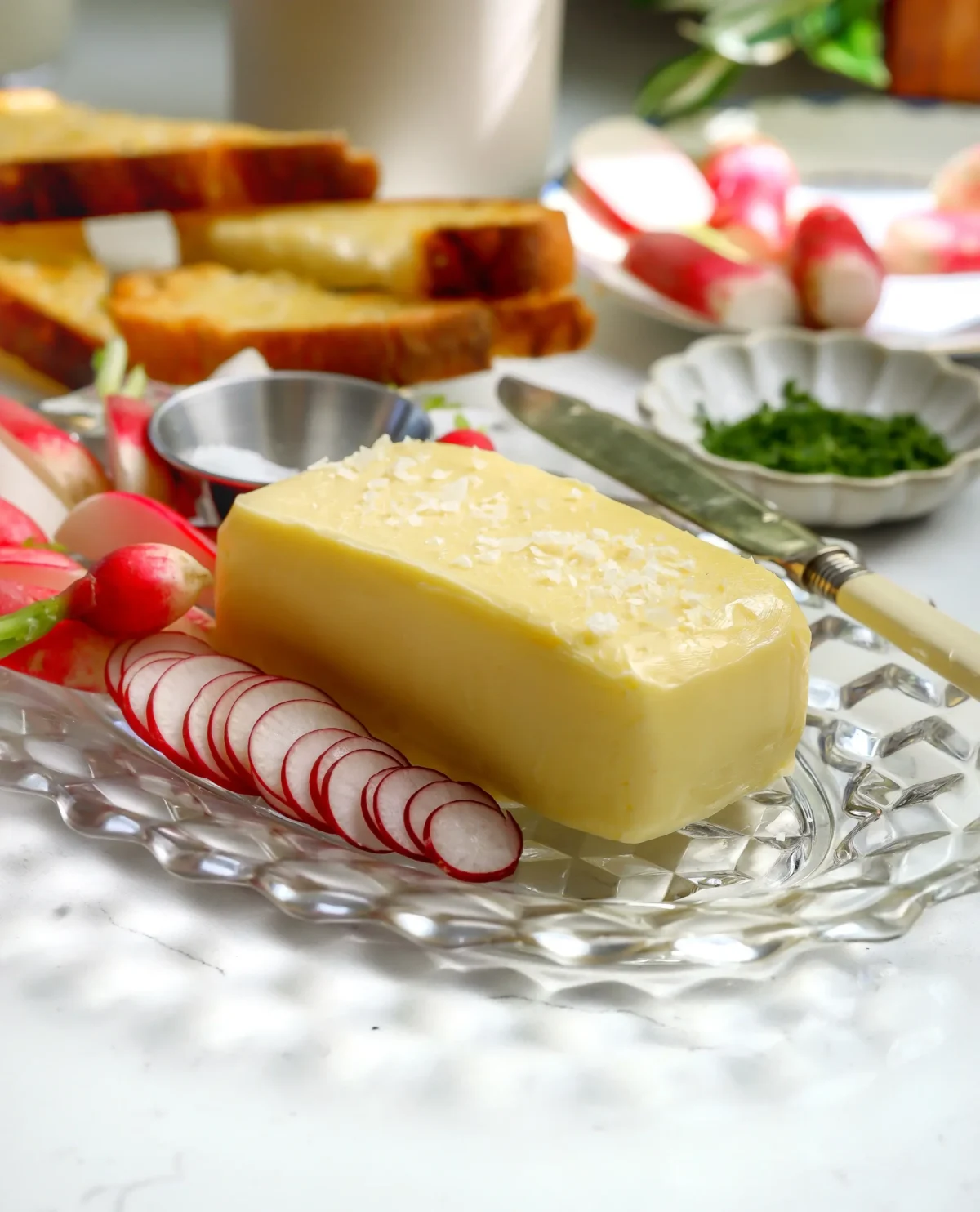
This 2-ingredient cultured butter recipe creates a rich, silky spread using only heavy cream and buttermilk. This homemade butter is a high-quality dairy staple that is simple to make and better than any store-bought version.
About the Taste
Cultured butter is the gold standard. When I posted a teaser for this recipe, someone commented that it wasn’t truly “from scratch” since I didn’t milk the cow myself… which, let’s be honest, is a level of commitment I’m not quite ready for!
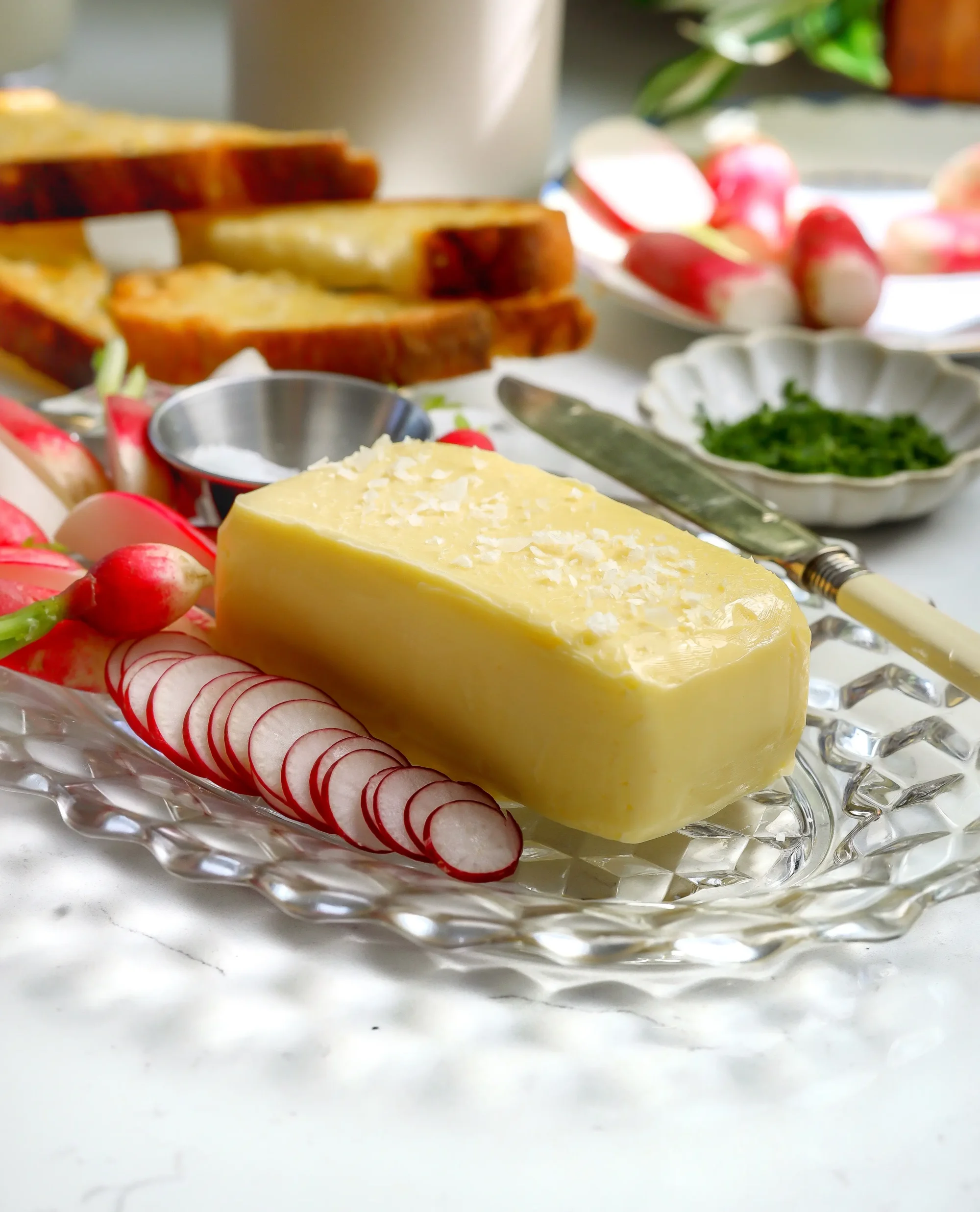
Cow aside, this is the butter you’ll want to put on everything. It has a complexity that regular butter lacks. The flavors are deeper, the texture is silkier, and that subtle tang lingers in the best way possible. I love serving it with flaky salt and radishes, slathered on warm bread, the kind of simple pairings that let the quality of the dairy really speak for itself. It’s creamy, rich, and incredibly rewarding to make.
Watch the Video
Table of Contents
How Cultured Butter is Made
The process starts by combining heavy cream and buttermilk, allowing the mixture to sit at room temperature to ferment. This is the culturing step, where the live cultures in the buttermilk transform the cream, developing that signature lactic tang. Once fermented, the cream is churned until the butterfat separates from the liquid. The final steps are simple – rinse the butter in ice water to remove any remaining buttermilk, shape it, and finish with flaky salt.
Prep the Ingredients
The Culturing Phase (2 Days Ahead)
The only true “prep” for this recipe is time. You must start this process 48 hours before you plan to serve the butter. The cream and buttermilk require a full room-temperature culture to develop the necessary acidity and flavor profile before churning.
Once the culturing phase is complete, the actual churning, rinsing, and shaping takes less than 20 minutes. Aside from managing the initial 2-day lead time, the process is incredibly straightforward and easy.

Ingredient Swaps
- Heavy Cream: You can use any high-quality heavy cream with enough fat to whip and separate properly. Ultra-pasteurized cream will still work, but the flavor is flatter.
- Buttermilk: You can swap the buttermilk for ⅔ cup whole milk yogurt or skyr. You need to make sure you are using full fat though because low-fat or nonfat yogurt can affect the texture and how the cream ferments.
- Flaky Sea Salt: Any flaky finishing salt works. You can also add cracked black pepper, finely grated lemon zest, chopped fresh herbs like chives or dill, a pinch of chili flakes, or a small spoon of honey if you want a sweet-savory edge.
Similar Recipes
- Whipped Butter: A classic whipped butter that’s light and fluffy, with salt enhancing the natural sweetness of the butter, this is really good on warm bread or vegetables and versatile enough to finish a steak.
- Le Prés Salés Dupe: A rich, salty, cultured butter inspired by a famed French style, layered with flaky sea salt for depth and complexity that pairs beautifully with biscuits or bread.
- Brown Butter Recipe: Golden, nutty brown butter with deep savory notes that enrich pastas, roasted vegetables, and baked dishes with a caramelized richness that can’t compare.
Nadia’s Tips
- Don’t rush the rinse. Make sure it runs clear before you move onto the next step. Getting all the leftover liquid out is what makes sure it doesn’t spoil quickly.
- I like this best lightly salted and served at cool room temperature. That’s when the texture is perfect and the tang really shows up.
- If you’re using radishes for serving, keep them a little thicker than usual. The extra crunch balances the richness really nicely.
- Make sure you are using fresh cream. Cream that’s been sitting around a while can taste flat once it’s cultured, and you really notice it in a recipe this simple.
The Perfect Pairings
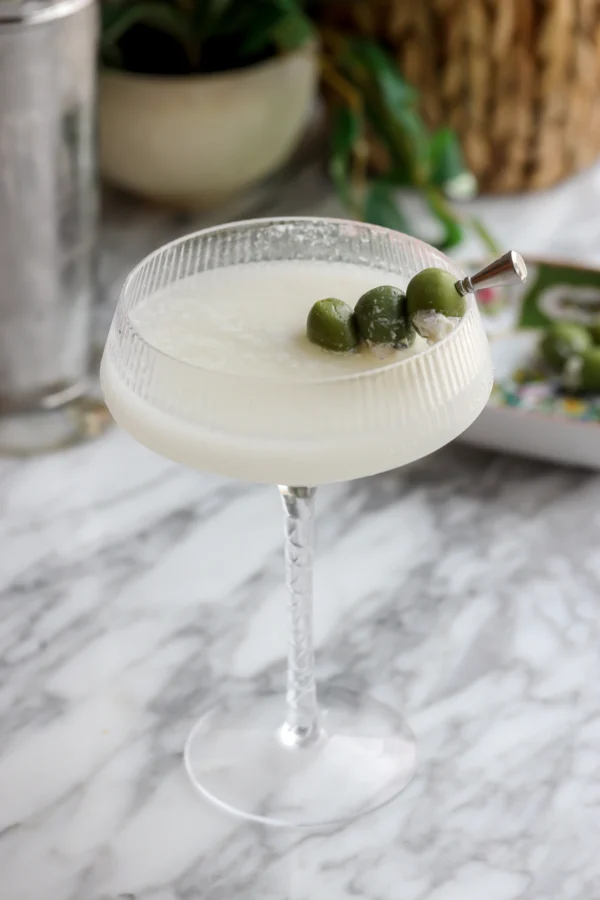
Tequila Sour: This is a great way to start the table. It’s a fresh cocktail that is great to sip on with this tangy butter especially on warm bread.
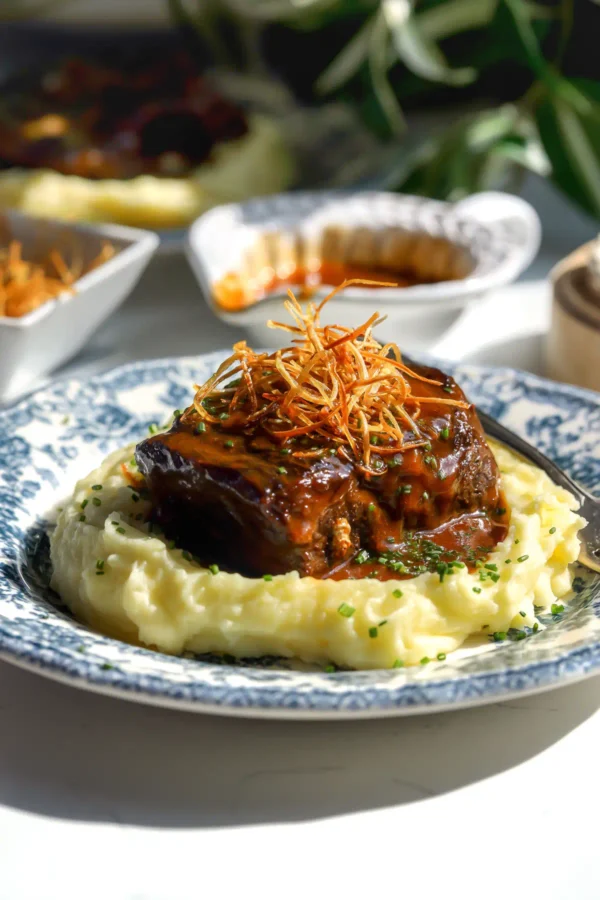
Caramelized Onion Pasta: This is where the cultured butter spread generously on warm bread really belongs. There is something about a bight of savory pasta with that tangy butter.
Arugula Fennel Salad: Every menu needs something fresh and this salad is simple, fresh and so good. There is something about this dressing. It’s my go-to for dinner parties and easy weeknights too.
Cherries Jubilee: Warm cherries over cold ice cream finish the meal on a cold, creamy note.


Cultured Butter Recipe FAQ
Rinsing removes any remaining buttermilk, which is important for freshness and shelf life. If liquid is left behind, the butter can spoil more quickly, even when refrigerated.
When rinsed thoroughly and stored airtight in the refrigerator, homemade cultured butter keeps well for about one to two weeks. Keeping it free of moisture is the key to longer freshness.
Yes. Cultured butter is fermented before churning, while regular homemade butter is churned straight from cream. That fermentation step is what defines a cultured butter recipe.
A mixer is much easier but you can still do it. You’ll just get a little work out in. Here are two methods.
Jar method: Seal the jar and shake hard. It’ll go from liquid to whipped to separated butter. This takes about 10-15 minutes, depending on how enthusiastic you are.
Hand method: Use a whisk or sturdy spoon and beat steadily until the butter separates. This takes longer and works best in a wide bowl.
Equipment
- stand mixer with whisk attachment
- large mixing bow
- clean mason jar
- fine mesh strainer
- Rubber spatula
Ingredients
- 2 pints heavy cream
- 1/4 cup buttermilk, + 1 Tbsp
- 3 oz clotted cream, optional
- flaky sea salt, for topping
Instructions
- Culture the Cream: In a clean mason jar, mix the heavy cream and buttermilk until fully combined. Cover the jar opening with cheesecloth and loosely secure the lid over it so air can circulate. Leave at room temperature for 48 hours in a spot out of direct sunlight.2 pints heavy cream, 1/4 cup buttermilk
- Chill Before Whipping: Transfer the cultured cream to the refrigerator for about 1 hour. It should cool slightly to roughly 60 degrees before whipping.
- Whip the Cream: Pour the cream into the bowl of a stand mixer along with the clotted cream, if using. Using the whisk attachment, whip on medium-high until it first becomes whipped cream, then continue whipping until the butter separates from the liquid. This takes about 7 to 8 minutes. Scrape down the sides of the bowl as needed.3 oz clotted cream
- Drain the Butter: Strain off the liquid using a fine mesh strainer and reserve it if desired. Gather the butter into cheesecloth, then rinse under cold water while squeezing to remove remaining liquid. Continue rinsing and squeezing until the water runs clear.
- Season and Serve: Sprinkle the butter with flaky sea salt to taste. Serve with radishes, warm bread, or whatever you are craving.flaky sea salt
Kitchen Cam
Notes
Nutrition
Nutrition information is automatically calculated, so should only be used as an approximation.




Thank you for sharing this recipe
You’re welcome Angie 🤗