This post may contain affiliate links. Please read our disclosure policy.
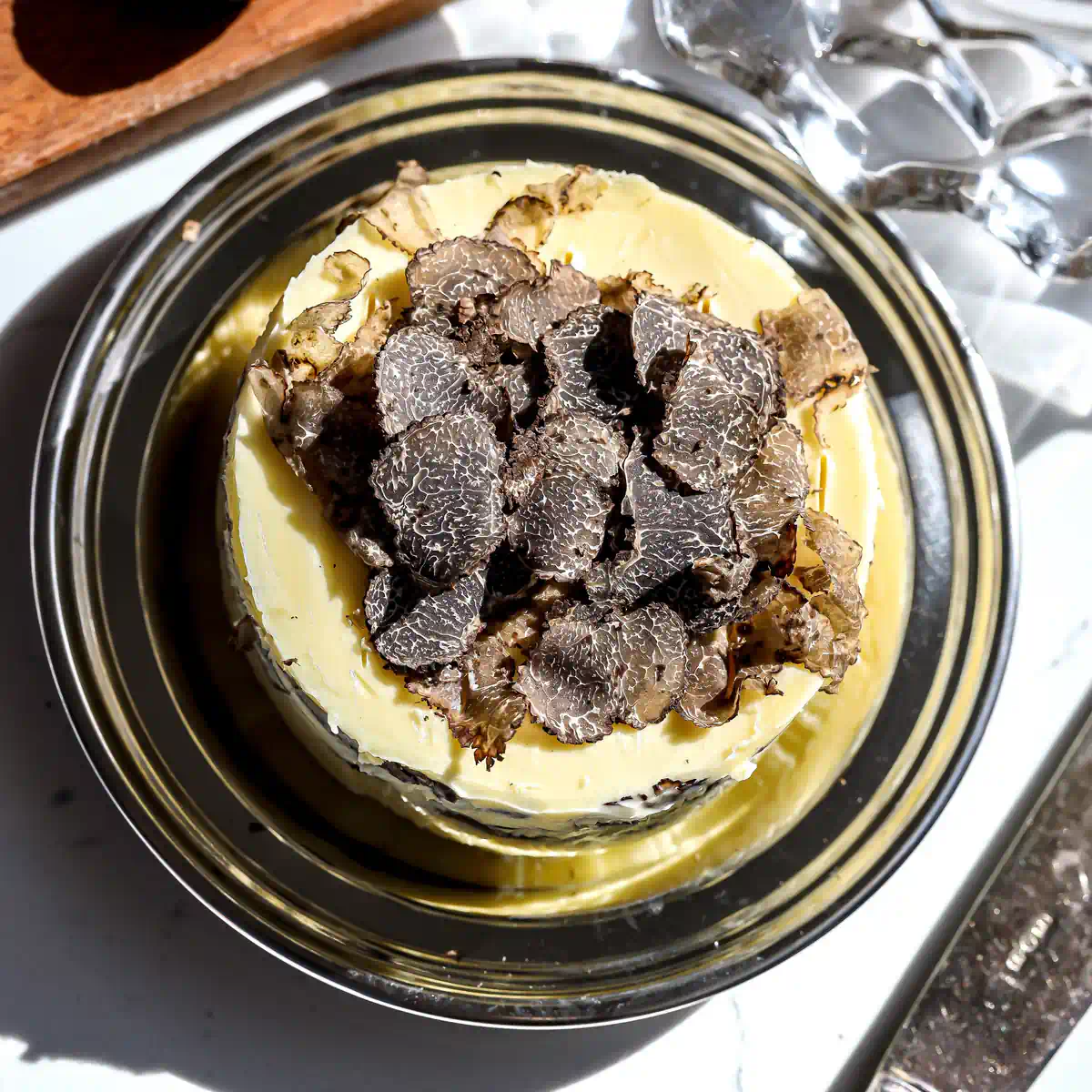
This 3-ingredient homemade truffle butter recipe is very easy to make and one of the best things you can do with your fresh truffles. When you compound the velvety high-fat butter with the truffles, it infuses the earthy aroma, locking it in. If you leave it room-temp, it is wonderful to spread on warmed bread. If you chill it, using this as a finishing topping for warm recipes like steak or pasta will be one of the best things you could ever do. When the chilled butter melts onto your hot dish and that trapped aroma releases, it is pure decadence in a bite.
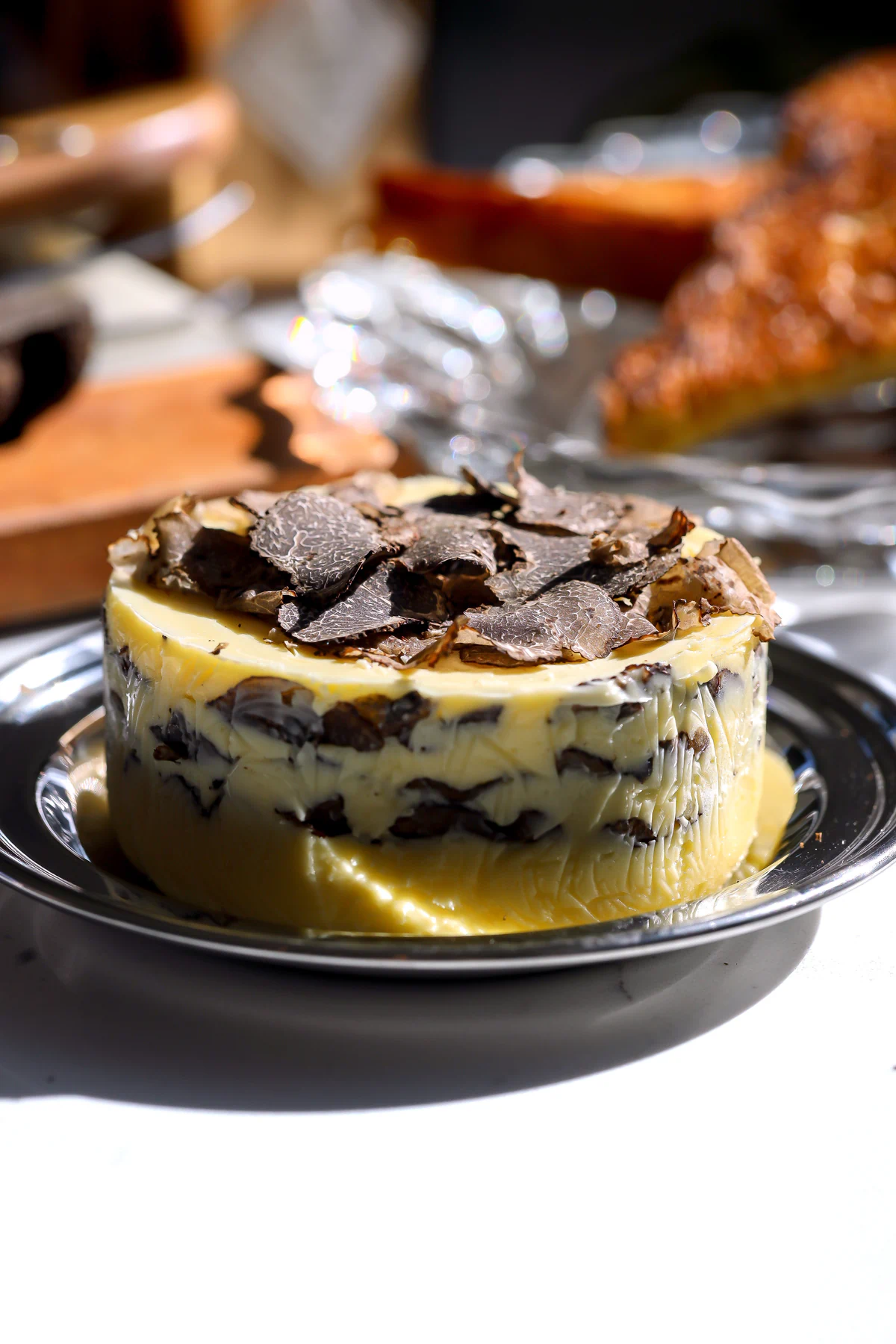
Table of Contents
What Is Truffle Butter?
Truffle butter is simply your favorite high-quality butter mixed with fresh, shaved truffles and a big pinch of flaky sea salt. Think of the butterfat like a sponge that soaks up all those deep, earthy, and nutty aromas so every single bite is packed with savory flavor. You always want to use this right at the end of a meal or as a cold spread, never for frying or cooking. If you drop it into a hot pan, all that amazing, expensive flavor just cooks right up into the air. Instead, just let the gentle heat from your freshly cooked, hot food melt the butter slowly so it coats your tongue perfectly.
Everything You Need To Know About Fresh Truffles
Working with fresh truffles is an investment, and you want to get it right. Before you start shaving them into that velvety butter, check out my complete guide on The Fresh Truffle Buyer’s Guide: What to Know Before You Spend.
In the guide, I cover:
- The Big Three Varieties: A breakdown of white, black winter, and black summer truffles. This lets you know what each one is best used for (and it does make difference) as well as the history of truffles which is surprisingly very interesting. There’s adorable truffling hunting dogs – enough said.
- Sourcing & Pricing: Current market costs, what to look for when locally buying, and exactly what you want if you are buying online.
- Budget Alternatives: The best economical swaps, including peelings and frozen options which work for this recipe.
- Quality Control: Tips on storage for longer lasting truffles. How to know when they are losing their freshness, and how to clearly identify the signs of spoilage.
- Preparing: Covers the recommended equipment for proper shaving.
The 3-Ingredients
The Base: Softened high-fat butter. If you are spending the money fresh truffles, you don’t want to skimp and use value-brand butter here, trust me. If you aren’t making it from scratch, like in my recipe, you need to go with an high-quality butter. European-style butter is usually preferred because of the lower water content and higher butterfat percentage. I am obsessed with Kerrygold butter if I’m not making my own, and this isn’t sponsored. It’s just amazing and for me it’s easy to find at local grocery stores. It is Irish, but it has the same low water high fat content that you want for this recipe.
The Star: Fresh white truffles or black winter truffles are both amazing to use. You can use black summer truffles, but they are a botanical variation and the flavor is a lot lighter than the other options. I’ll get more into that in the next section. For a cheaper option I would use truffle peelings. If you’re looking for something super quick to just mix into the butter, you can go with oil, but be aware that most truffle oils use synthetic flavors and don’t actually have any truffle in them, so check the ingredients.
The Seasoning: If you go with unsalted butter, which I recommend so you can control how much you use, coarse sea salt, kosher salt, and occasionally black or white pepper can be used. You can always pull a little bit of the butter out and taste test with the options to figure out which one is your preference.
Tips On Which Truffle Variety To Use
- Black Winter Truffles (Tuber melanosporum): This is the culinary standard for compound butter. These hold up to heat better than the white. They have a deep, savory profile that withstands the fat of the butter.
- White Truffles (Tuber magnatum pico): These have the highest aromatic intensity with notes of garlic and honey. But, they cannot survive direct cooking heat like sautéing. These are usually shaved right on top of a dish. They do work great as a white truffle butter, and served directly on top of freshly cooked, hot food.
- Black Summer Truffles (Tuber aestivum): This is the budget-friendly option. The flavor profile is significantly milder. You will need to increase the ratio of shaved truffle by volume to achieve a noticeable flavor in the final butter.
Want to save this recipe to your collection?
Dietary & Lifestyle Notes
Gluten-Free: Yes. This is naturally gluten-free.
Vegetarian: Yes.
Keto / Low-Carb: Yes. Yes. Culturing and churning the cream leaves you with an ultra-high-fat butter that has virtually zero carbs.
Vegan / Dairy-Free: No. No. This relies on real, high-quality heavy cream and buttermilk. But feel free to skip the homemade cultured butter and use a vegan/dairy-free option to make it work.
Whole30 / Paleo: No. Since we are using real dairy, it doesn’t fit these frameworks. You can swap the butter for ghee though. Keep it refrigerated though so it doesn’t turn to liquid.
Storage and Freezing Instructions
Since we are using fresh cream and raw truffles with no preservatives, this won’t last as long as store-bought butter. However, the fat traps the truffle’s aroma perfectly, making the flavor last much longer than a raw truffle would on its own.
Important Note Before Storing: These timelines only work if you washed the butter during prep until the water ran completely clear. Any leftover buttermilk trapped inside will quickly sour and ruin the entire batch.
Fridge Storage (1 to 2 Weeks)
- Timeline: It stays fresh and fragrant for 10 to 14 days.
- Method: Wrap the log tightly in parchment paper, then seal it in an airtight glass container. Butter absorbs fridge smells like a sponge, so keep it sealed tight to protect that earthy truffle flavor.+1
Freezer Storage (Up to 6 Months)
- Thawing: Drop a frozen disc directly onto hot food, or thaw it in the fridge overnight. Never microwave it.
- Timeline: It keeps its flavor for up to 6 months.
- Method: Roll the log in parchment paper, wrap it tightly in plastic wrap to prevent freezer burn, and stash it in a freezer bag.
- Execution: Don’t freeze it in one giant block. Slice the log into rounds first so you can grab exactly what you need without thawing the whole batch.
The Signs of Spoiled Truffle Butter
The Smell Test (Most Reliable)
- Ammonia: If the raw truffle shavings inside the butter have started to rot, the butter will emit a sharp, pungent odor resembling ammonia or strong cleaning chemicals.
- Sour or Paint-Like: When the butterfat itself oxidizes (turns rancid), it loses the sweet cream smell and develops a harsh, sour, or metallic scent that is often compared to old paint, wet cardboard, or sweaty feet.
The Visual Test
- Dark or Grey Patches: Fresh truffle butter has a pale, even tone. If the exterior develops dark yellow, grey, or translucent patches, the fats have oxidized due to light or heat exposure.
- Separation: If you see a watery layer or weeping liquid separating from the solid butterfat, it is breaking down and should be discarded.
- Mold: While a light, fuzzy white layer on a whole raw truffle is just harmless mycelium, any green, blue, or pink fuzzy spots growing on the butter itself indicate toxic mold. Throw the entire log away.
The Texture Test
- Slimy or Gummy: The surface of the butter should be smooth and firm. If it feels slimy to the touch, or if the truffle shavings inside feel gummy and squishy instead of firm, bacterial growth has taken over.
How to Serve
The beauty of truffle butter is that adding it to anything instantly elevates the dish. If you want to serve it cold, spread it over warm, crusty bread or crostini for a luxurious appetizer. If you are using it on hot dishes, simply slice a cold disc of the butter and let it melt directly over your food right before serving. Keep in mind that the truffle flavors in the butter are best paired with food that doesn’t have a strong flavor profile. Avoid pairing it with heavily acidic, spicy, or fermented sauces. Here are some of my recipes that pair great, with a little tweaking:
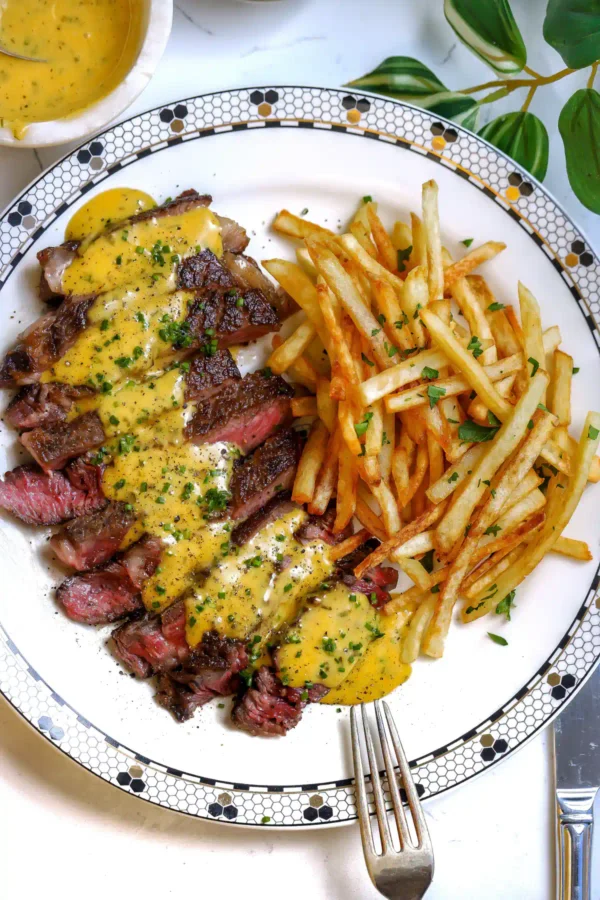
Steak Frites: Omit the hollandaise sauce. Right off the fire, place a cold disc of truffle butter on the steak while it rests, allowing the heat to melt the fat and release the aroma.
Chanterelle Pasta: This is an excellent pairing. The earthy flavor of the chanterelle mushrooms will complement the truffle. Swap the egg out for your pat of butter.
Whole Roasted Cauliflower: This vegetable is perfect because the butter will seep into all those nooks and crannies. With this recipe, omit the miso tahini sauce, chipotle adobo, smoked paprika, and agave. You can use the other seasoning or if you really want the butter flavors to sign, simply roast the cauliflower using only olive oil, salt, and pepper, then finish with the melted truffle butter.
Leek Orzo: This has a savory, neutral base of garlic, leeks, white wine, and parmesan perfectly enhances the earthy truffle. Simply swap the regular butter stirred in at the end of the risotto process for your compound truffle butter.


Frequently Asked Questions
Black winter truffles are robust, earthy, and handle heat beautifully, making them perfect for melting in butter. Black summer truffles White truffles are pungent, garlicky, and incredibly delicate – heat ruins them entirely. For a deep dive into the flavor profiles and how to source them, check out my full Fresh Truffle Buyer’s Guide
They refuse to be easily farmed. It takes up to a decade just to establish a host orchard before it yields a single harvest. Finding them requires highly trained dogs to sniff them out from underground, and their peak freshness only lasts a few days.
It is excellent on steak. Make sure you pull it straight from the fridge and place a pat of the butter right on top your steak that’s fresh off the heat. That butter has been soaking in the truffles aroma since the minute you combine them and when it melts it releases all of it. This is an amazing way to season your steak.
You can, but I would skip the commercial oil. The majority of truffle oil is just neutral oil spiked with synthetic, lab-made chemicals. It gives a harsh, metallic flavor that does not blend well into a rich butter emulsion. Stick to fresh shavings or high-quality truffle peelings. If you really want to use oil, check the ingredients and pick one with fresh truffles.
Always unsalted, and let me tell you why. With salted butter, you have zero control over the final sodium level. If you add finishing salt or a coarse truffle salt on top of pre-salted fat, you risk ruining an expensive batch. Starting unsalted puts you in the driver’s seat.
Equipment
- large bowl
- Stand Mixer, or hand mixer
- strainer
- gloves, optional, but recommended
- plastic wrap
- blue floral paper, for wrapping, you can also use parchment or wax paper
Ingredients
- 2 pints heavy cream, room-temperature
- 2 tbsp buttermilk
- truffle salt, or flaky salt
- fresh black truffle , thinly shaved, save some for topping
Instructions
Homemade Butter
- Culture the Cream: Mix heavy cream and buttermilk in a large bowl. Cover with cheesecloth and let sit at room temperature, out of direct sunlight, for 1 to 2 days until thickened and cultured.
- Chill: When ready to churn, place the cultured cream in the refrigerator for at least 2 hours.
- Churn the Butter: In a stand mixer, whip the chilled cultured cream until the butter solids and buttermilk separate. Strain the buttermilk and reserve for another recipe.
- Clean the Butter: Using gloves, wring the butter solids out to remove as much buttermilk as possible. Run it under cold water (or knead in a bowl of ice water), kneading the butter repeatedly to remove all remaining buttermilk. Wrap the butter in cheesecloth and repeat the squeezing and rinsing process until the water runs completely clear. Note: This is an important step. The more leftover buttermilk remaining, the sooner your butter will spoil.
Shape and Store (Choose Your Method)
- Round Mold Method (Best for entertaining and spreading): Line a ring mold with plastic wrap. Spread about a tablespoon of butter on the bottom, sprinkle a little salt, and spread the shaved truffle evenly on top. Repeat this layering about four times until your mold is filled, ensuring the final layer is butter. Refrigerate the mold for 30 minutes to set. Remove the butter from the plastic wrap. Top with remaining shaved truffle and flaky salt. Serve immediately or wrap in parchment paper.
- Mixed & Wrapped Log Method (Best for fridge storage and melting on hot dishes): Dampen a cutting board with water. Using butter paddles, spread the desired amount of butter flat on the board. Layer sliced truffles on top and fold the mixture together with the paddles. Once combined, press the butter together and place it on one paddle. Smack each side with the other paddle, rotating to form an even rectangular log. Wrap tightly in parchment paper and store in the fridge.
Nutrition
Nutrition information is automatically calculated, so should only be used as an approximation.