This post may contain affiliate links. Please read our disclosure policy.
Table of Contents
What Are Truffles?
People always want to know: are truffles just fancy mushrooms? Think of them more like the distant, wildly expensive cousin who shows up to the fungi family reunion in couture. While they share a branch on the family tree, truffles like to play hard to get, and they grow entirely underground. Unlike mushrooms that sprout caps and stems into the air, truffles stay hidden near the roots of trees like oak and hazelnut.
Fun Fact: Ancient Greek and Roman philosophers once believed these umami-rich gems were forged by lightning strikes hitting soil near sacred trees.
There they develop a specialized symbiotic partnership with the tree. The truffle acts as a massive sponge, extending the tree’s root system to absorb water and minerals from the soil. In exchange, the tree feeds the truffle essential sugars. This nutrient exchange makes truffles a powerhouse packed with antioxidants, potassium, and iron.
Known as the “diamonds of the kitchen,” they are rare because they require a perfect storm to grow – specifically a highly alkaline soil pH and the exact right climate. While they can technically be farmed, it’s not easy. It takes up to a decade to yield a harvest, and the failure rates are incredibly high. All of this makes them extremely rare, and that is exactly why that unforgettable scent and flavor comes with a matching price tag.
How They Are Harvested
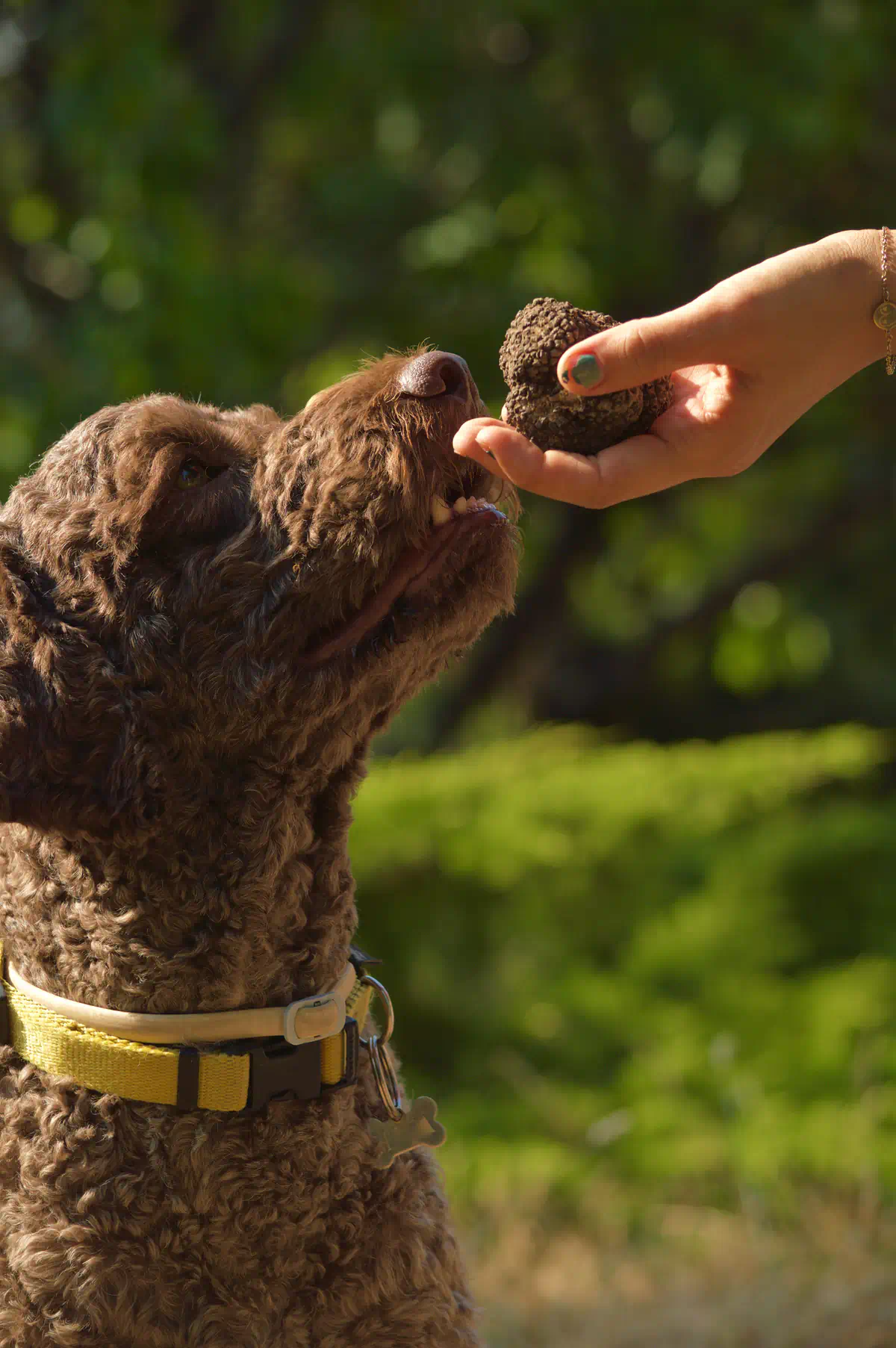
Finding truffles is a high-stakes game of scent and timing. Since they grow underground, you can’t see them, so you have to find them by smell. Historically, pigs were the traditional hunters because they are naturally drawn to the aroma. However, there are major drawbacks: pigs want to eat the prize, and their aggressive digging destroys the delicate tree roots. Because of the environmental impact, Italy officially banned the use of pigs for truffle hunting in 1985.
Today, dogs are the professional standard. The Lagotto Romagnolo, an Italian water dog bred specifically for this job, is the gold standard. With freakishly accurate noses, they can detect scent molecules even when the truffle is buried a foot deep under frozen soil. Instead of destroying the ecosystem, they’re trained to “mark” the spot by pawing gently, waiting for their human to carefully extract the truffle with a small spade and trade the diamond for a treat. Plus, look at how cute they are!
Different Truffle Types
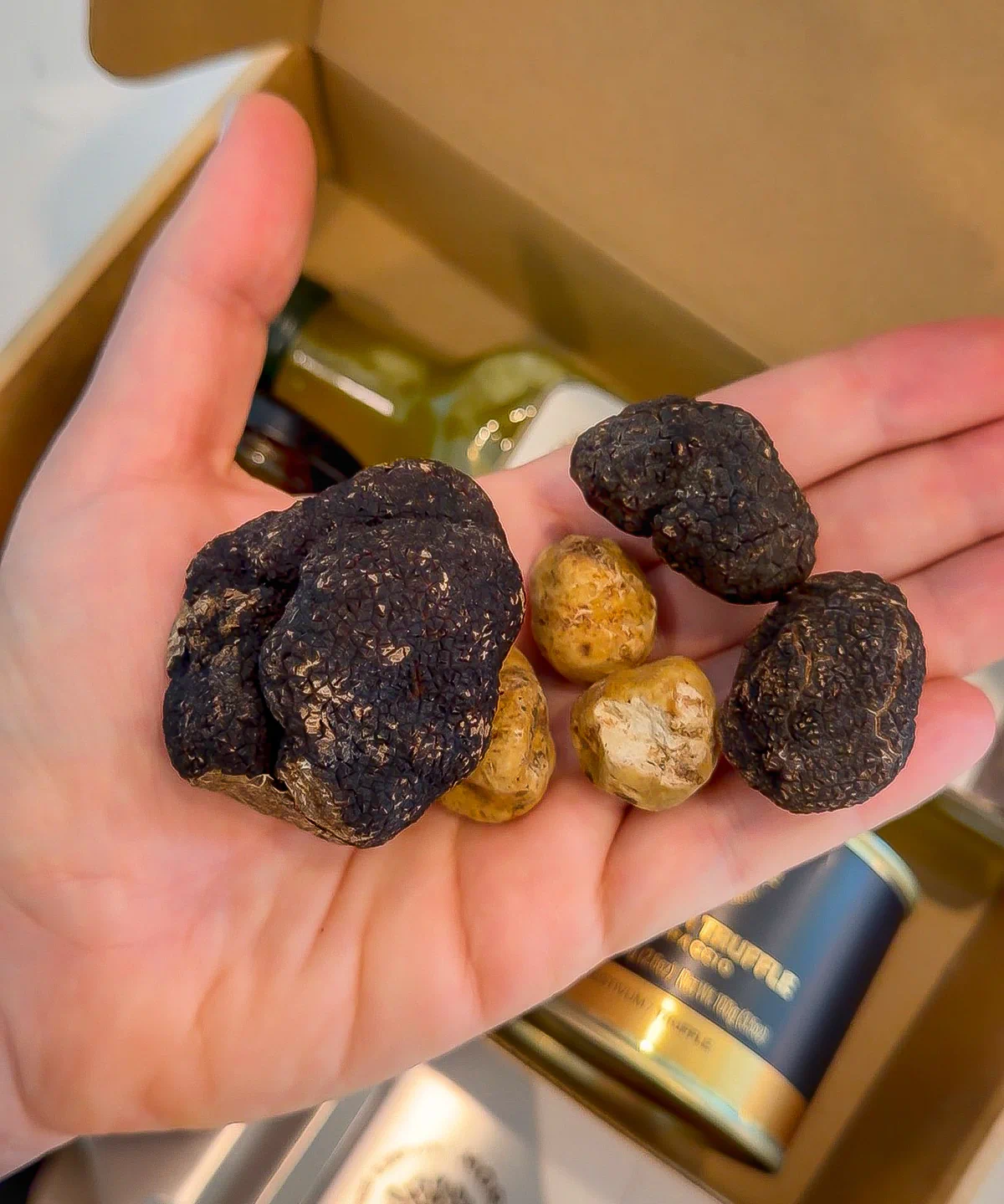
If you are investing in fresh truffles, you must know exactly what species you are buying. Different truffles require entirely different culinary techniques, and using the wrong method on the wrong truffle is a fast way to ruin an expensive ingredient. Some are great with heat, some heat ruins. One of the most common mistakes happens with the black summer truffle. People assume that they received an old or poor quality truffle because the flavor isn’t strong. In reality, that delicate flavor profile is simply the botanical nature of the species. Here is how to navigate the big three.
| White Truffles | Black Winter Truffles | Black Summer Truffles |
| High Aromatics: Notes of garlic, wild honey, and aged cheese | Deep Aromatics: Savory, earthy, with musky umami notes | Subtle Aromatics: These have a subtle flavor, like a nutty cheese |
| Heat is this truffle’s enemy. Cooking it will ruin the flavor. These are best shaved completely raw, paper-thin, over a finished, warm dish. | Black winter truffles are great for heat. These work best in simply seasoned or creamy dishes that highlight the strong earthy aroma. | This is another truffle that can’t survive intense heat. Since it has a milder taste, it’s perfect when you don’t want to overpower a dish. |
| September – December | November – March | May – September |
The Guide For Buying Them Fresh
Buying Local: If you’re lucky enough to find them at a specialty market, trust your nose and hands. A fresh truffle should be very firm. If it feels extremely spongy or squishy, it’s past its prime. It should also have a heady, room-filling scent. If you can’t smell it, don’t buy it.
The Online “Must-Haves”: Never settle for anything less than Priority Overnight shipping. Quality sellers will ship your truffles in insulated, chilled containers with ice packs. If a site doesn’t guarantee cold-chain delivery, skip it. Otherwise, you’re just paying for an expensive, tasteless lump.
- Marina Tartufi: This is the truffle brand that I’ve used. Everything I have tried has been high quality and I’ve been really happy.
- Urbani: is a super popular brand. I haven’t tried them but a lot of people seem to really like them.
- Regalis Foods: This is the gold standard for Michelin-starred restaurants in the US. They source directly from hunters in Italy, Spain, and Australia. Their shipping is strictly overnight with professional-grade insulation. They’re known for the highest quality black winter and white alba.
- Costco: According to Reddit, this one is hit or miss. They are a high-volume retailer, so the age of the truffle is harder to verify. So you may get the best deal ever, or a sad scentless lump. Lucky for you, Costco had a great return policy.
How Much Do They Cost?
Remember, these little fungi’s take a long time to grow, you can’t exactly farm them, you need to pamper them with the right weather and soil, and you have to go truffle hunting with an adorable dog to find them…all of this makes the price of truffles high. So without further ado:
| White Truffles | Black Winter Truffles | Black Summer Truffles | |
| Price per ounce | $159 – $503+ | $52 – $130 | $40 – $68 |
| Price per lb | $2,500 – $8,379+ | $800 – $1,500 | $300 – $766 |
*Market prices fluctuate weekly based on European auctions, weather conditions, and seasonal harvest yields. These are prices are current, but subject to change.
The Best Budget-Friendly Alternatives
When you want that flavor but not the price tag, try these three cheaper options. They still give you that real earthy, savory truffle flavor without breaking the bank.
- Truffle Peelings “Carpaccio” : These are just the ugly pieces, scraps, and thin slices of real truffles saved in a jar with their own juice and salt. Because they do not look perfect, and they cost a lot less. They give a mild truffle flavor and that classic speckled look, which is perfect for mixing into butter, pasta, or sauces where you would chop them up anyway.
- Frozen Truffles: High-end restaurants use frozen truffles all the time. They’re picked when fully ripe and frozen super fast to lock in the strong smell and flavor. Don’t let these thaw. Grate them right away, straight from the freezer onto your food. Once they thaw, they turn mushy and lose their flavor.
- Black Truffle Puree (or Pâté): This is a strong paste usually made by blending regular mushrooms, olive oil, and real black truffles. It is very potent, so just a spoonful can easily flavor a whole batch of butter or cream sauce.
- Truffle Salt: A blend of sea salt, dried truffle flakes, and added aroma. Use it strictly as a finishing salt. Sprinkle it over hot fries, steaks, or popcorn right before serving so the heat and steam release the scent.
- Truffle Oil (The Synthetic Shortcut): Be aware that the vast majority of commercial truffle oil does not contain real truffles. It’s typically a neutral oil mixed with a lab-made chemical compound that they design to mimic the garlic and mushroom flavors. Compared to the real ingredient, it has a one-dimensional flavor. If you are trying to buy authentic truffle oil, make sure the ingredient label lists a real truffles, and avoid any product listing “truffle aroma,” “truffle essence,” or “flavoring,”. When using the oil, use only a few drops because a little goes a long way.
Shelf Life And How to Store Them
Fresh truffles are mostly water, and they naturally release gas as they sit. If you seal them up in a plastic bag, it traps them in their own moisture, and rot in just a few days. Proper storage is all about controlling the humidity and giving them room to breathe.
The Storage Method
- The Container: Pick a glass or hard plastic container that is large enough to leave plenty of empty air space around the truffles.
- Skip the Sink: Do not wash them before storing. Leave the natural dirt on until right before you slice them, as it acts like a protective shield.
- The Setup: Place a dry paper towel at the bottom of the container. Lay the truffles in a single layer so they are not touching each other.
- Daily Maintenance: Every single day, wipe away any condensation inside the box, gently pat the truffles dry, and swap in a fresh paper towel. You also need to take the lid off for a minute or two each day to let the old gas out and let fresh oxygen in.
- Fridge Placement: Keep the container in a slightly warmer part of your fridge, like the crisper drawer. If they end up in the back and accidentally freeze, the texture and flavor will be ruined when they thaw.
- The “Free” Infusion Hack: Because they constantly release that earthy aroma, place fresh, un-cracked eggs or a stick of butter inside the container with them. The fat and the eggshells will soak up the scent, giving you free truffle-infused ingredients to cook with later.
Signs of Spoilage & Quick Fixes
- The Trimming Trick: Black truffles are pretty sturdy. If you notice a tiny soft or moldy spot starting to form, don’t throw the whole thing away. Take a small paring knife and carefully carve out the bad spot until the truffle smells sweet and earthy again.
- The Final Warning: At the very end of their lifespan, truffles will start to rapidly “sweat” excess moisture and feel soft or squishy to the touch. This is your last chance to eat them before they’re done for.
- The Smell Test: Always trust your nose over a date on a calendar. A fresh truffle smells musky and earthy. If it has gone bad, it will emit a sharp, unpleasant smell like ammonia.
How to Properly Shave Truffles
To get those paper-thin, see-through slices, you need a dedicated truffle slicer. While they look like mini mandolines, they are specifically designed for truffles. Here are some things that I recommend you look for when buying one.
- The Adjustable Blade: This is the most important feature. The dial allows you to control the thickness down to the millimeter. You want them so thin they almost melt sometimes, and other times you may want a little more bite.
- Blade Sharpness: Most blades are razor-sharp when you first buy them, and high-quality slicers use heavy-duty stainless steel. This type of steel holds its edge so you aren’t tearing your expensive truffles.
- Safety First: Because you are working with a very sharp blade and small ingredients, your fingers get uncomfortably close to the edge. If you aren’t comfortable with that, I really recommend wearing a cut-resistant safety gloves. It lets you shave the truffle down to the very last bit without worrying about your fingertips.
Great Recipe Ideas

Appetizers
Truffled Salmon & Hamachi Crudo
Appetizers
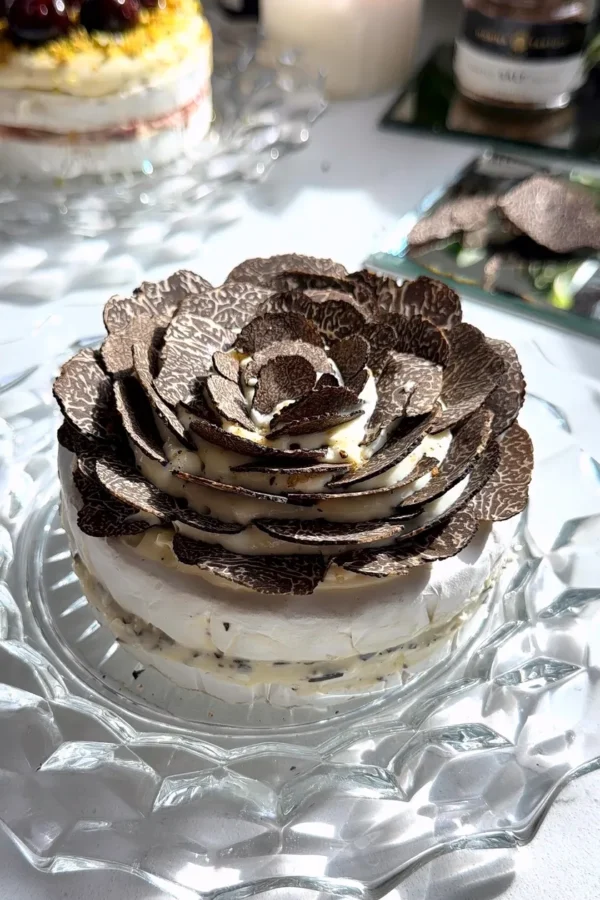
Fresh Truffle Brie Cake
Dips and Butters
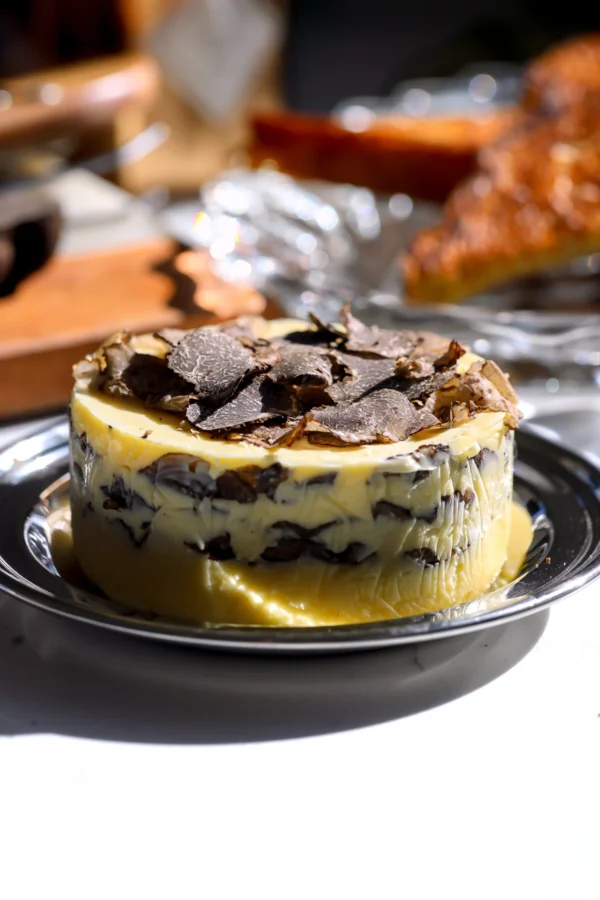
3-Ingredient Truffle Butter Recipe

Appetizers