This post may contain affiliate links. Please read our disclosure policy.
Miso salmon skewers seared on the griddle until the edges caramelize while the inside stays tender. I make these all summer. The marinade is only 4 ingredients and the cubed salmon marinates overnight, tenderizing and seasoning it. The next day, it only takes a few minutes and one griddle to make these sweet-savory kabobs.
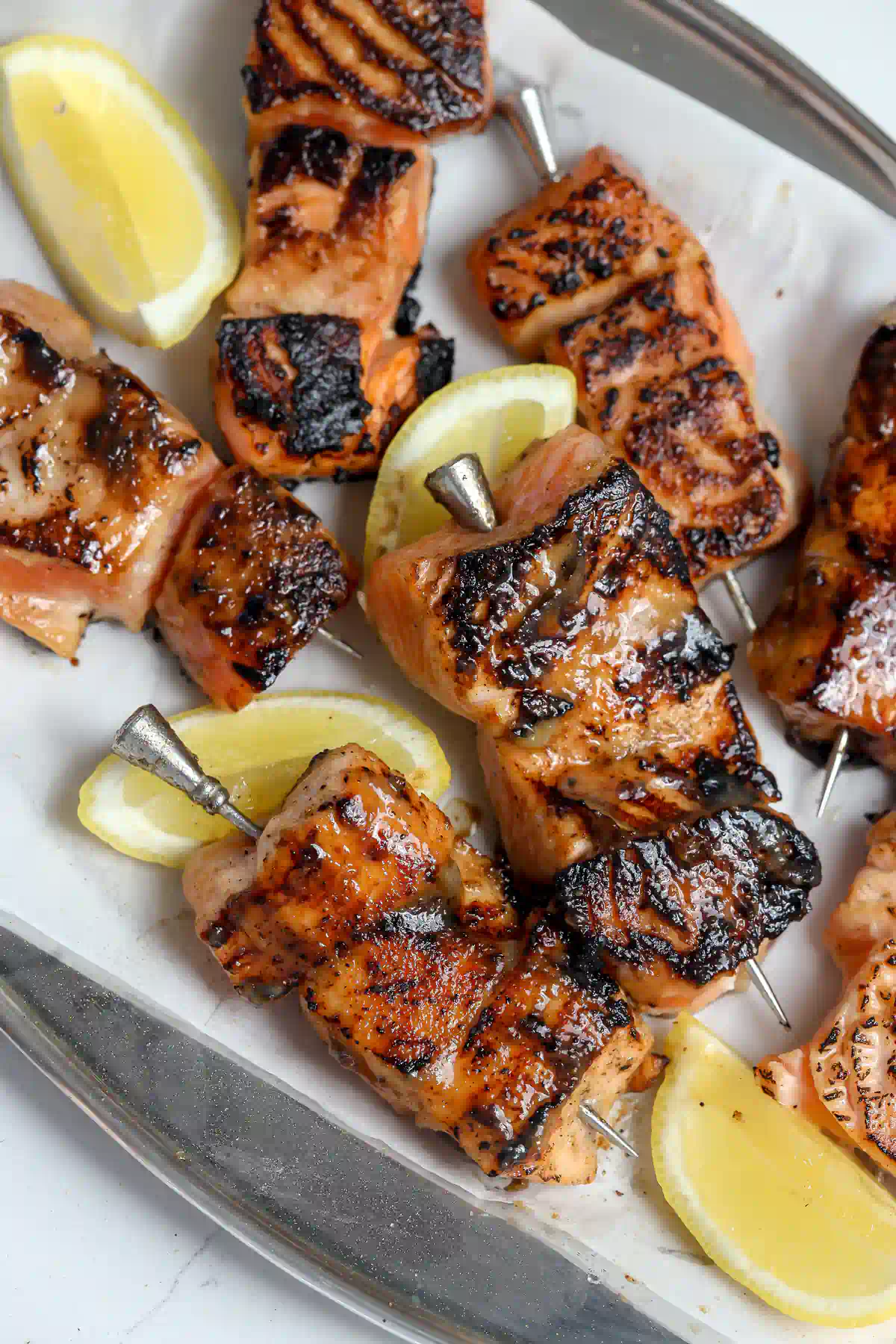
Table of Contents
How to Cook Miso Salmon Skewers
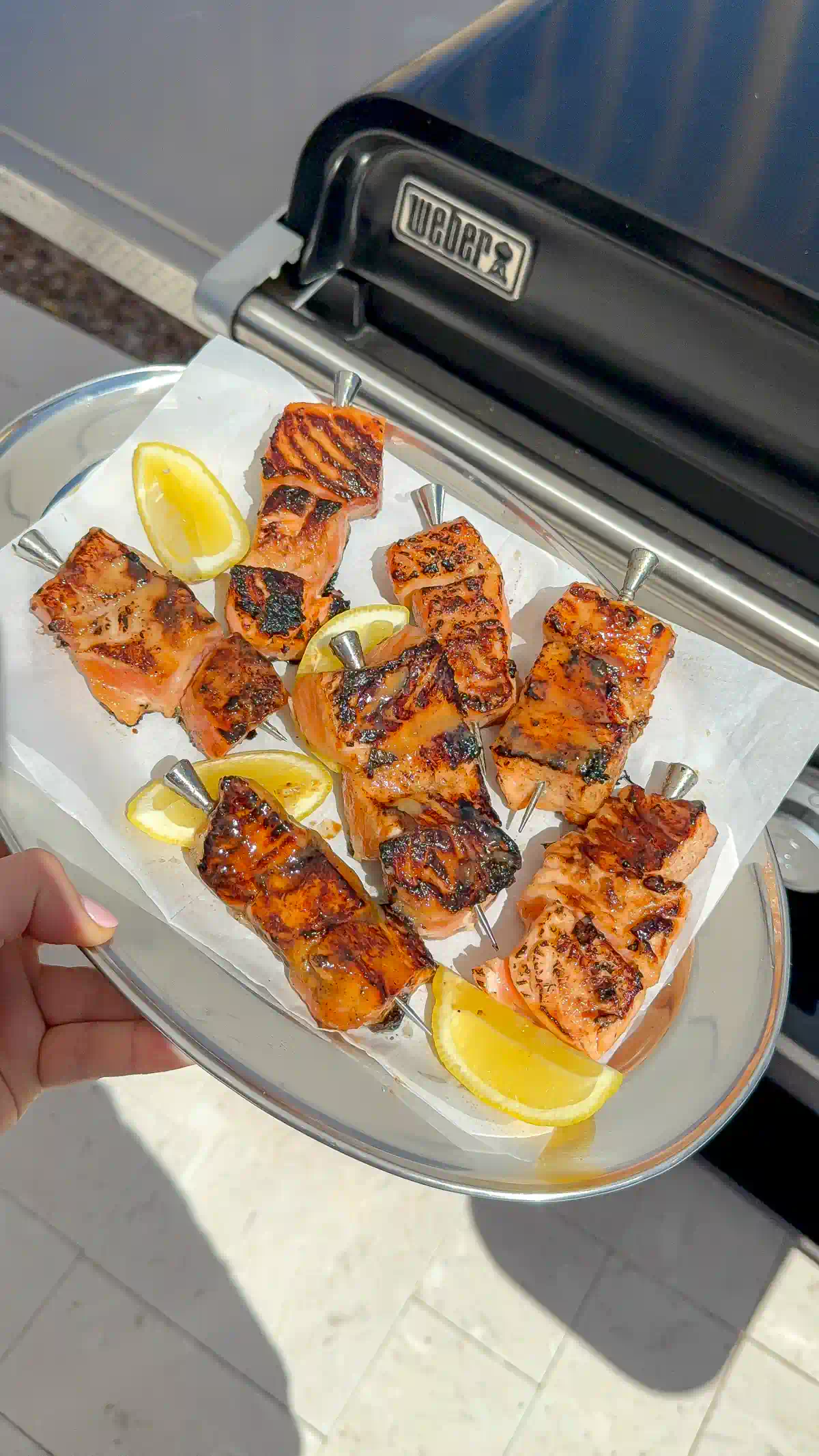
Cubed salmon cooks differently than a fillet. No skin to start it on, no thick center to work toward, just sides you want seared and a middle you want to keep tender. Kabobs are great for grilling because they are threaded on a skewer, so the cubes turn all at once and hold their shape, unlike loose pieces that stick and tear when you move them. I make mine on my Weber griddle, but a grill or a stainless pan on the stove will get you there too. One thing holds across all three: the marinade has sugar in it, so it caramelizes fast and scorches not long after. Keep the cubes moving and watch them.
On a Griddle
This is how I make them. A flat top runs hot and even with no open flame, so you get a hard sear on every side and have more control over the heat. Heat the griddle to 425°F and give it a few minutes to come up to temperature. Add a little avocado oil, lay the skewers down, and sear about 1 to 2 minutes a side, turning to catch every side and brushing on more marinade as you go. The cubes tell you when to turn them. A seared side releases from the surface on its own. If it sticks when you try to lift it, give it a few more seconds. You want the outside caramelized and golden and the center opaque.
On a Grill
A grill works and adds smoke, but you do have to be more careful because of the sugar in the marinade. Over direct flame it can burn if the fire is too high before the inside is done. Keep the heat at medium, around 375-400°F, with the grates clean and well oiled so the cubes don’t stick. Lay the skewers down, leave them until each side releases, and turn to sear all the way around, brushing with marinade as they cook.
On the Stovetop
The stove works too. A stainless steel pan over medium-high heat gives you the same hard sear indoors. Get the pan hot, then add a thin layer of avocado oil before adding the salmon skewers. adding the salmon skewers. Same rule as the griddle, let each side set and release before you turn it, about 1 to 2 minutes a side, until every side is caramelized.
How to Tell When They’re Done
You can cook these to where you like them. Salmon runs from soft and pink to firm all the way through, so take your pick. I suggest using an instant-read thermometer. Pull them a few degrees early either way, since they keep cooking on the skewer for a minute after they come off.
- Medium-rare (120 to 125°F): soft and more pink in the center.
- Medium (125 to 135°F): moist, tender, and pink in the middle. This is the sweet spot for most people.
- Well done (140 to 145°F): firm all the way through.
No Thermometer: Cut a cube in half and look at the inside. At medium it should be mostly opaque with a slightly darker, moist center, not see-through, not dried out. If the middle still looks glassy and translucent, give it another minute. If it pulls apart dry with no color left, it went too far. The charred glaze on the outside tells you nothing about the inside, so always cut one open to check.
Make-Ahead and Storage
Make Ahead: Cook the marinade, let it cool, and keep it covered in the fridge up to 2 days before the salmon goes in. Once the cubes are in, you can marinate them for up to 24 hours.
Leftovers: Cooked skewers keep in an airtight container in the fridge for 3 to 4 days, per USDA guidelines. Reheat them in a low oven or a hot pan. Don’t use the microwave, it dries the salmon out and the glaze doesn’t do well either.
Is It Still Good? Fresh salmon smells clean and mild and the flesh is firm. Throw it out if it smells sour or like ammonia, feels slimy, or has gone dull and soft.
Nadia’s Tips
- Freeze the salmon for 10 to 15 minutes before cubing. It firms up just enough to cut clean, even cubes instead of mushing as you slice.
- Cut them even, about an inch. Same size means they all hit doneness at the same time, so nothing’s raw while the rest overcooks.
- Use metal skewers, or soak wooden ones first. Metal won’t burn on the griddle. Dry wood will scorch, so give it a soak before it goes near the heat.
- Don’t overcrowd the skewers. Crowded cubes steam each other. Give them a little breathing room so all sides can caramelize.
Want to save this recipe to your collection?
How to Serve
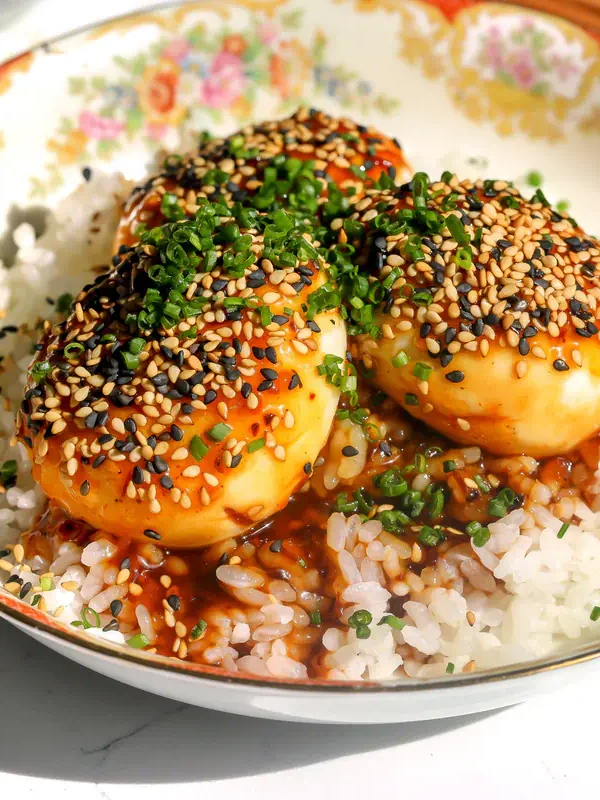
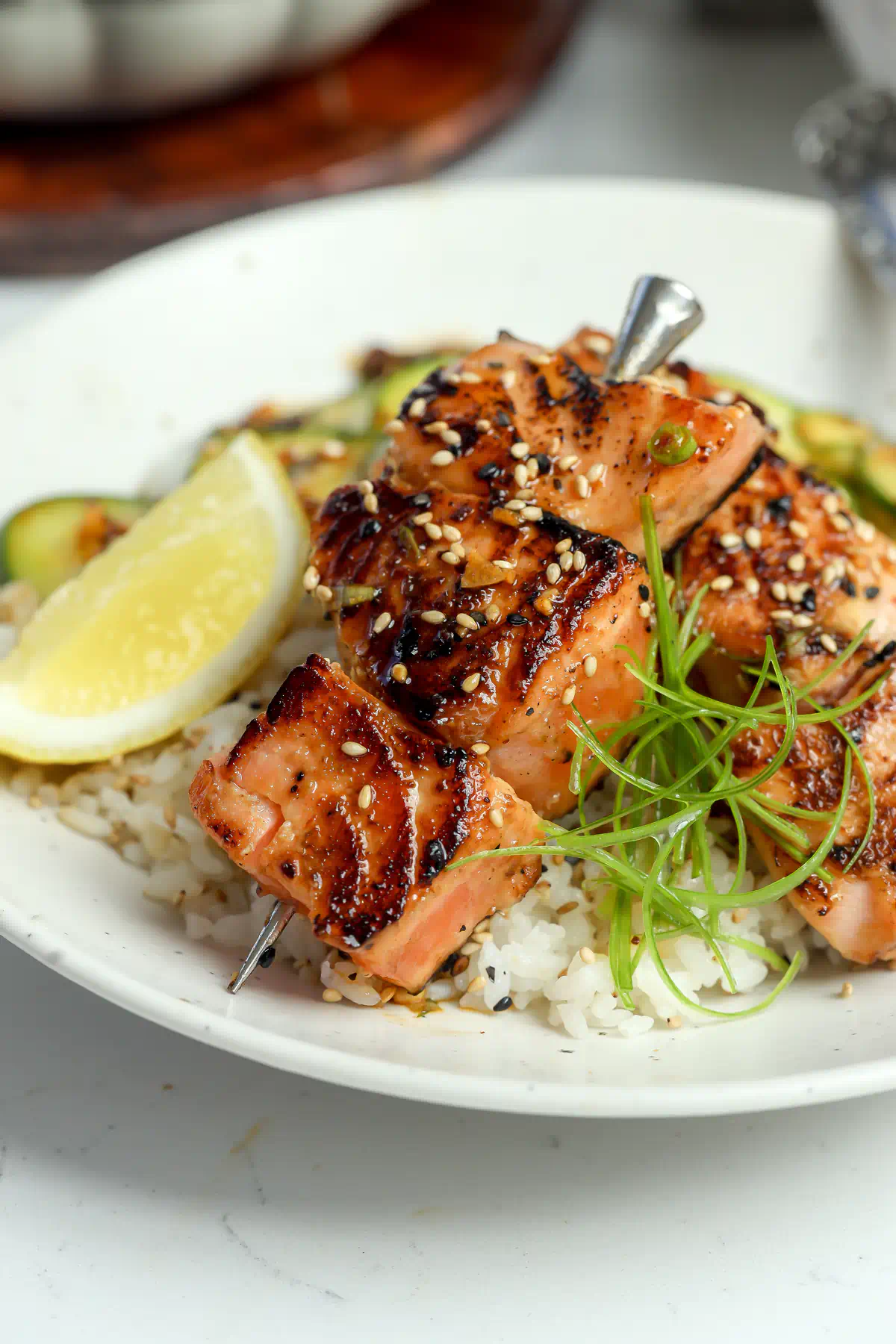
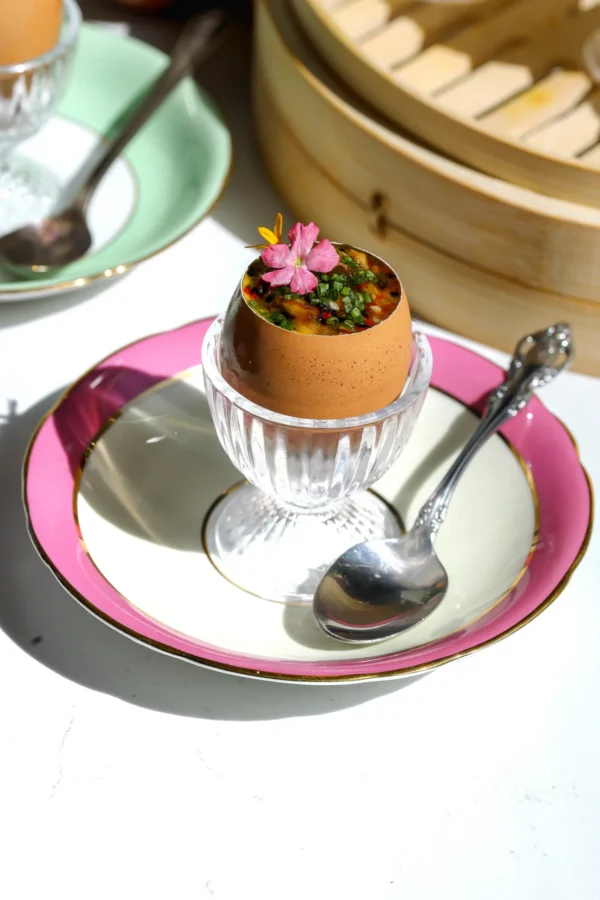
I serve these over white rice with lemon wedges and a pile of thinly sliced green onion. To drink, a Cucumbertini, cool and crisp. To start, Chawanmushi, a warm, silky Japanese egg custard. On the side, my Din Tai Fung cucumber salad, crisp and a little spicy. And to finish, Amaretto Peaches, warm and caramelized over cold ice cream.



Frequently Asked Questions
A non-reactive container is one that won’t react with acidic food while it sits. The miso marinade is acidic, and reactive metals can leach into it and throw off the taste. Aluminum, copper, cast iron, and plain steel are reactive. Glass, ceramic, stainless steel, and enamel-coated cookware are not, so use one of those to marinate.
The ones that I am using are from Crate and Barrel but they stopped selling them sadly. Here is a link to a very similar cocktail picks set. Any metal skewer works though. If you are using wooden ones, make sure to soak them first so they don’t catch fire.
Yes. Skip the skewers and sear the marinated cubes right on the griddle, turning them to char each side. The skewers mostly make them easier to flip all at once and nicer to serve. Or if you are looking for a more classic broiled fillet, here’s my Miso Salmon.
The marinade works on most fish. If you’d rather have it as a broiled fillet, that’s my miso black cod, the one that started this whole marinade for me.
At least an hour, up to 24. The longer it sits, the deeper the flavor, but don’t go past a day. The cubes have a lot of cut surface, so the salt starts to firm them up if they soak too long.
Equipment
- measuring cups
- whisk
- saucepan
- non-reactive container, for marinating
- griddle, grill, or stainless steel pan
- silicone brush
- pot
Ingredients
Marinade
- ¼ cup sake
- ¼ cup mirin
- ⅓ cup white miso
- ⅓ cup cane sugar
Salmon
- 2 ½ lb salmon, skin off, cut into 1-inch cubes
- 1 to 2 tbsp avocado oil
Instructions
- Make the Marinade: To a saucepan, add the sake and mirin and bring to a simmer. Reduce by about one third. Add the miso and cane sugar, whisk well, and cook on medium-low for 2 to 3 minutes. Let cool completely.
- Marinate: Add the salmon cubes to a non-reactive container and pour the cooled marinade over the top. Toss to coat. Cover and refrigerate at least 1 hour, up to 24.
- Skewer: Thread the salmon cubes onto the skewers, leaving a little space between each.
- Sear: Preheat a griddle to 425°F (220°C), or use a stainless steel pan over medium-high heat. Add the avocado oil and sear the skewers on all sides, 1 to 2 minutes per side, brushing with marinade from the dish as they cook, until caramelized and golden. Cook to your preferred doneness, from 120°F (49°C) for medium-rare to 145°F (63°C) for fully cooked.
- Finish: Add the remaining marinade to a pot and boil for at least 5 minutes, stirring frequently. Brush over the cooked skewers.
- Serve: Serve over white rice with lemon wedges and sliced green onion.
Kitchen Cam
Nutrition
Nutrition information is automatically calculated, so should only be used as an approximation.