
This post may contain affiliate links. Please read our disclosure policy.
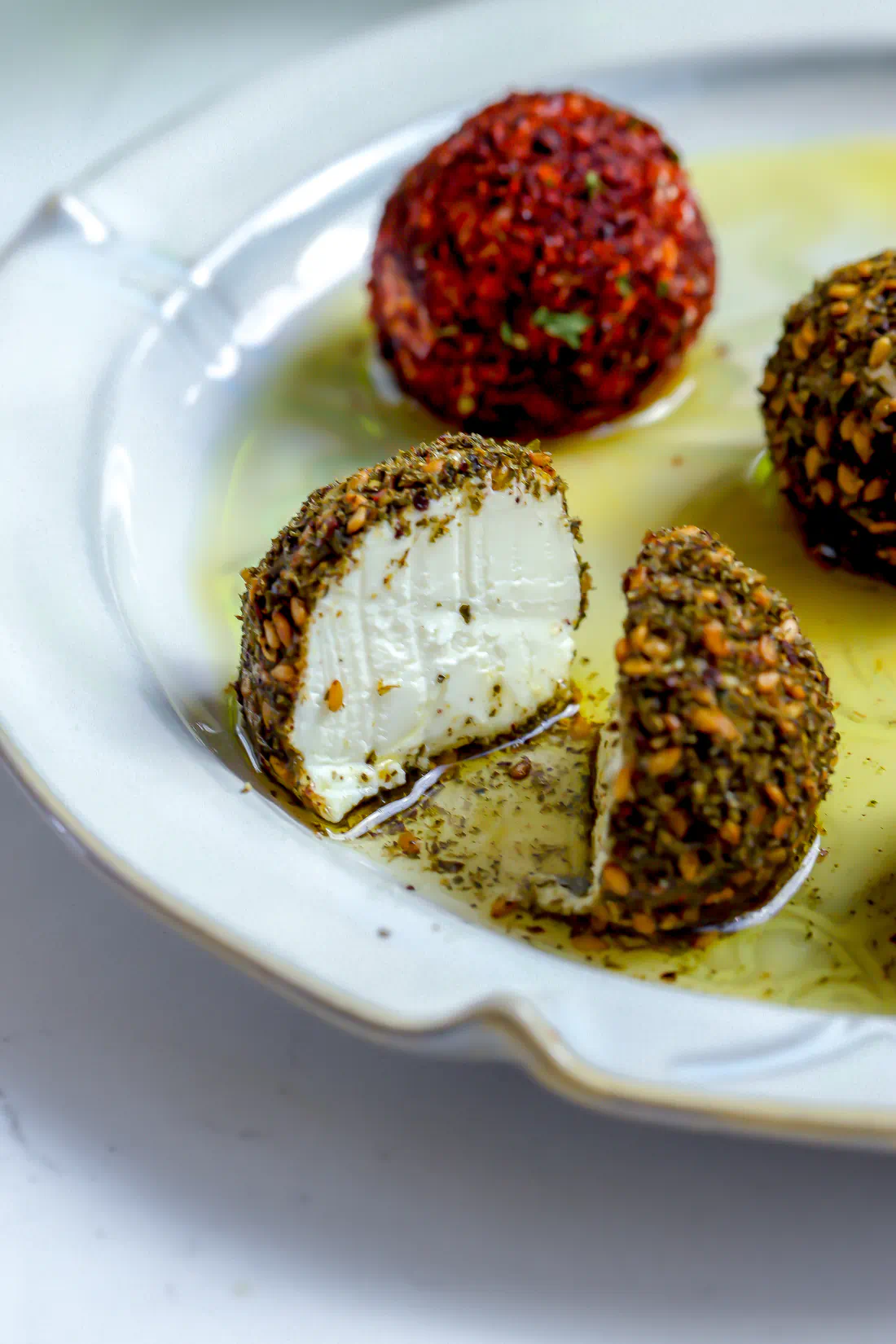
This homemade labneh recipe is just two ingredients and comes together in minutes. You can stop there, or be extra and make labneh balls rolled in za’atar and sumac, creating an easy, make-ahead Middle Eastern appetizer perfect for smearing on pita.
About the Taste
Growing up with a Syrian dad, this was basically breakfast for us. It was such a staple my whole life. Now that I am grown up with kids of my own, it’s something that I naturally use in so many of my recipes. If you have never had plain labneh, prepare to be obsessed. Not only is it rich and savory, it is also incredibly creamy with a sharp, tangy punch that regular yogurt only dreams of.
When you roll that thick labneh into balls and coat them in herby, nutty za’atar and bright, tart sumac…watch out. The olive oil lets those flavors meld while also preserving everything for up to a week. When you spread that creamy herbed labneh on your pita, it is pure magic.
Table of Contents
Watch the Video
What is Labneh?
Think of labneh as the thicker, saltier, and much more interesting cousin to Greek yogurt. It is a traditional Middle Eastern cheese made by straining every drop of liquid whey out of plain yogurt. You are left with a spread so dense it holds its shape on a spoon. It has the rich texture of cream cheese but hits you with a tang that makes it stand out.
How do I Serve Labneh?
Labneh is traditionally a Middle Eastern breakfast served with pita bread. It is super versatile though, and can be served in so many ways:
- The Ultimate Mezze Board: No Mediterranean spread is complete without it. Place a generous bowl of labneh in the center, create deep swirls with the back of a spoon, and fill them with high-quality olive oil. Surround it with warm pita, crunchy Persian cucumbers, brined olives, and juicy blistered tomatoes.
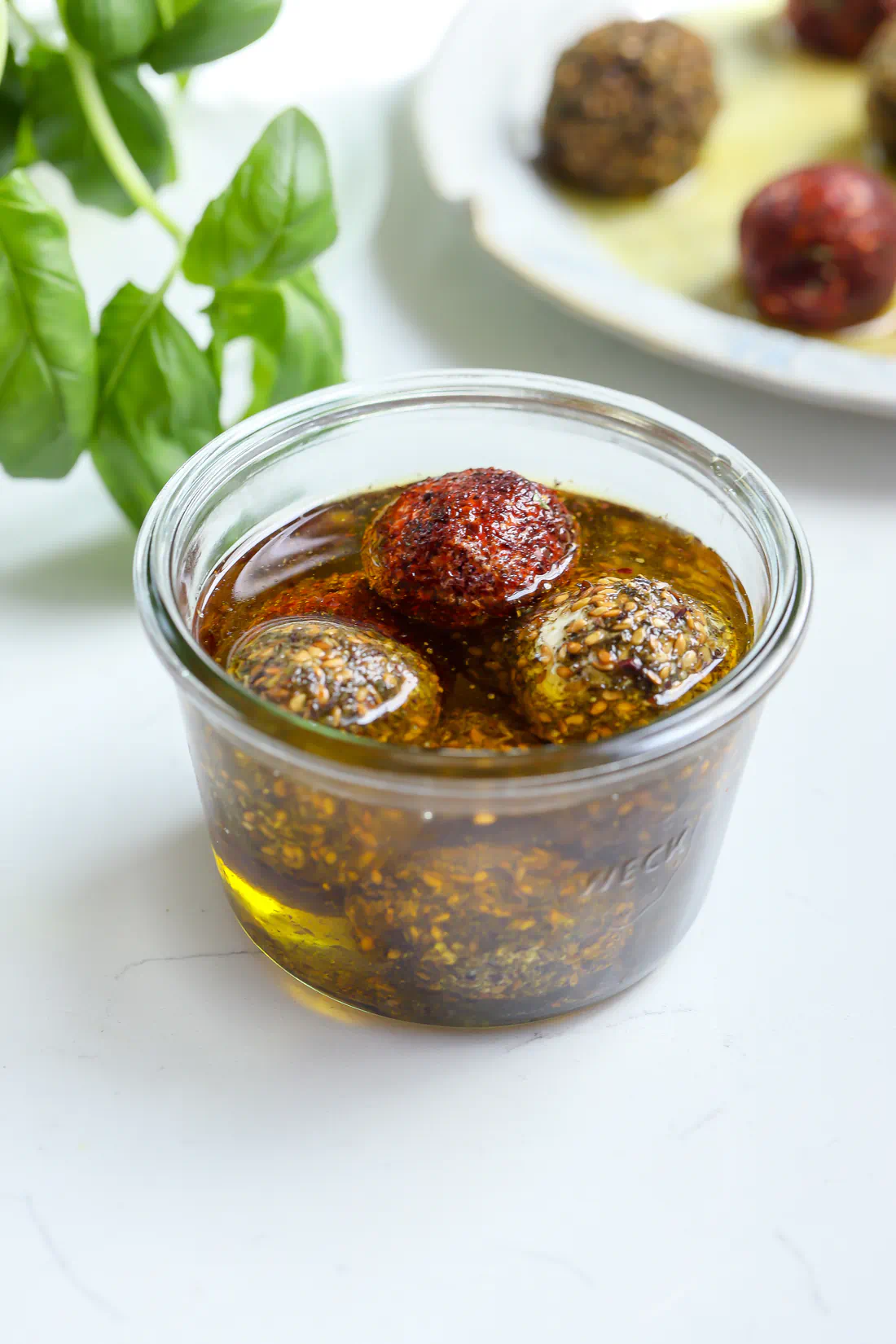
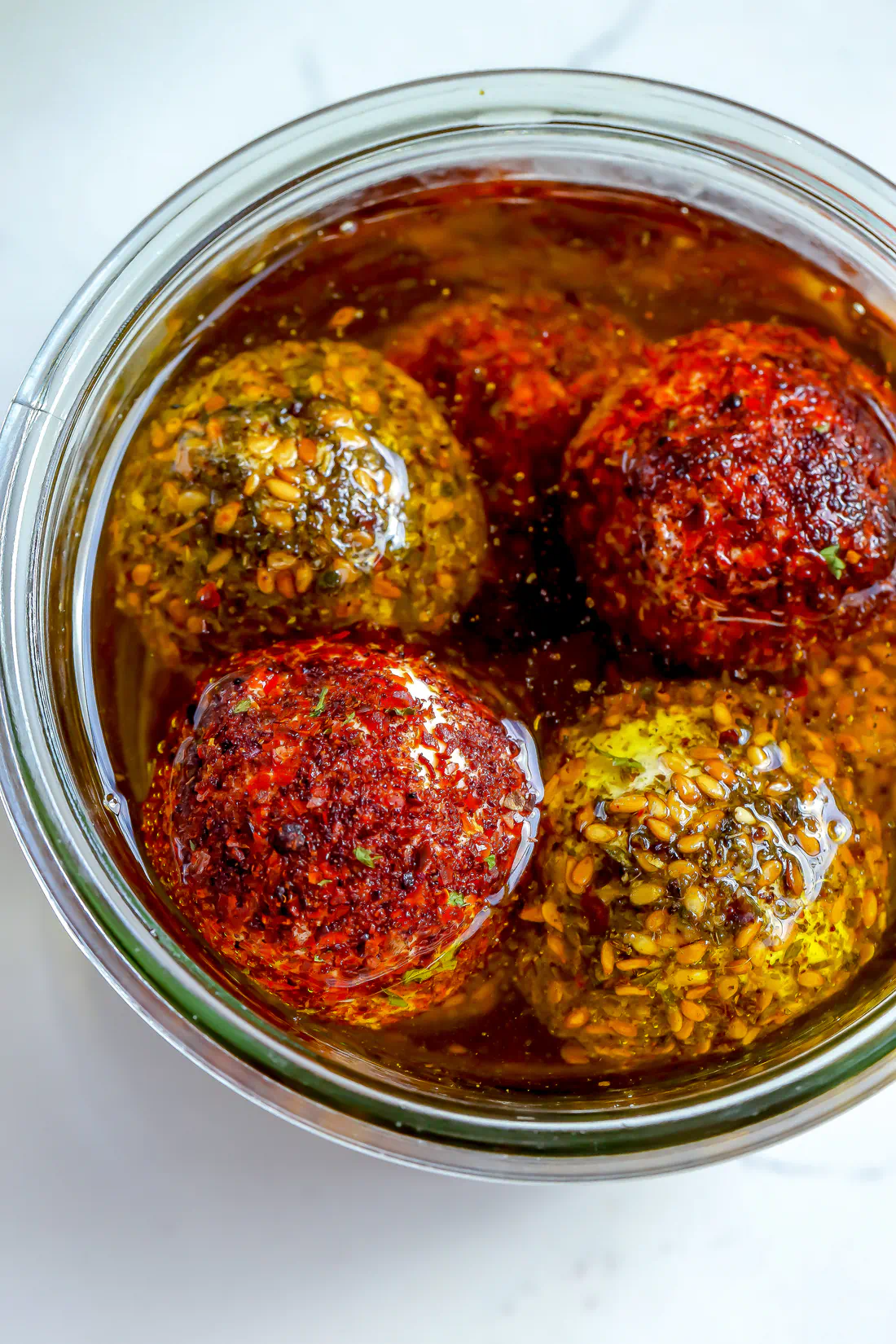
- Labneh Balls: For a more elevated look, roll the labneh into bite-sized balls. Coat them in za’atar, sumac, or even crushed Aleppo pepper. Store them in a jar of olive oil. They make an easy, grab-and-go snack or served as a stunning centerpiece in a footed bowl with pita slices on the side.
- A Creamy Base for Veggies: Spread a thick layer of labneh on a platter and top it with warm, roasted honey-glazed carrots or charred broccolini. The cold, tangy cheese against the hot, caramelized vegetables is unlike anything you’ve ever tasted.
- Savory Breakfast Toast: Move on over avocado toast, labneh is here. Smear labneh on thick sourdough and top it with sliced soft-boiled eggs, a drizzle of chili oil, and fresh dill.
- The Protein Swap: Use it as a healthier, much more flavorful alternative. You can swap out sour cream on tacos or use it as a thick dollop in a bowl of spicy lentil soup.
Make-Ahead and Storage
- Give it Time: This is the ultimate make-ahead appetizer because you need to give that jar a mandatory 48 hours in the fridge before you plan on serving. That resting time is essential for the sharp, tangy cheese and the herby, nutty za’atar to really meld with the olive oil. If you are wanting to make this as a dip that is more spreadable, shot for 24 hours.
- Don’t Panic at Cloudy Oil: When high-quality olive oil gets cold, it naturally solidifies and looks a bit cloudy. Just pull the jar out of the fridge 30 to 45 minutes before you’re ready to eat so the oil can liquefy and come back to room temperature.
- The Submerged Rule: You can store these labneh balls in the fridge for up to a week, but the yogurt cheese must stay completely submerged under the oil. Keeping everything covered prevents air exposure and ensures every bite stays fresh.

Want to save this recipe to your collection?
Ingredient Swaps
- Whole Milk Greek Yogurt: If you want a goat milk base, use goat yogurt and follow the same straining process. It will be much tangier and have that distinct, delicious funk. You can also use a store bought creamy goat cheese if you’re looking for a shortcut.
- Za’atar: A mix of dried thyme, toasted sesame seeds, and a pinch of salt is a reliable substitute. It captures that earthy, nutty profile perfectly if this traditional herb blend is hard to find.
- Sumac: Since this spice is made from ground dried berries, fresh lemon zest and a little flaky salt is a great swap. You still get that bright, citrus pop against these bites.
Similar Recipes
- Marinated Goat Cheese Balls: While these aren’t labneh, these punchy, herb-forward cheese balls are the ultimate shortcut for when you want a make-ahead appetizer but don’t have time for the full straining process. Coated in chives and marinated in a garlic confit.
- Labneh Dip: Sweet roasted radishes and a warm, spicy cashew herb oil. Serve it with homemade za’atar lavash chips to get that perfect hit of crunch against the cool, velvety yogurt cheese.
- Mediterranean Labneh Dip: Olive brine and lemon give this version a bright, salty lift. Top it with caviar-stuffed Castelvetrano olives for an elegant appetizer.
Nadia’s Tips
- Choose the Right Yogurt: Check your yogurt labels before you start. You want a short list of ingredients, ideally just milk and live cultures. Avoid any brands that list thickeners like pectin, gums, or cornstarch. These additives are designed to hold onto moisture, which means the yogurt will not strain properly and you will end up with a gummy texture instead of a lush, creamy cheese.
- Don’t Skip the Salt: The salt is doing more than just seasoning the cheese. It acts as a natural agent to help draw the liquid whey out of the yogurt. If you skip the salt or under-season, the straining process will take much longer and you will struggle to get that texture needed for rolling the labneh balls.
- Avoid a Sticky Mess: When it is time to roll the cheese, a quick trick is to add a little oil. This creates a smooth barrier that lets you form perfectly round spheres without the cheese tearing or sticking to your skin.
- Dry vs. Fresh Herbs: Stick to dried spices like za’atar and sumac for the marinating jar. Fresh herbs contain water, which can cause the oil to spoil or become “off” much faster when stored. If you want the pop of fresh mint or parsley, save those for a garnish and sprinkle them over the dish right before you serve it.
The Perfect Pairings
Pomegranate Mimosas: Elevate your bubbles with spiced pomegranate ice cubes infused with cinnamon and cloves. They are the ultimate bright, citrusy start.
Easy Kabob Plate: These juicy ground beef and lamb kabobs with allspice and fresh herb seasonings. Serve them alongside warm pita and a creamy tahini sauce.
Fattoush Recipe: This vibrant salad features extra-crispy pita chips and a zesty dressing built on pomegranate molasses and hand-squeezed tomato water. It adds the perfect hit of crunch and acidity to balance out a savory, meat-heavy spread.
Baklava Pie: Finish everything off with these golden, buttery layers of phyllo and honeyed nuts.


Labneh Recipe FAQ
Fat is exactly what gives this cheese its soul. Whole milk yogurt is the only way to get that velvety, insanely creamy texture that makes labneh so special. If you try to use a low-fat or fat-free version, the result will be thin and grainy.
It is all about the moisture. While Greek yogurt is strained a little bit to make it thick, this labneh recipe goes the distance by removing almost every drop of liquid whey. You’re left with a yogurt cheese that is way denser, saltier, and has a tang that regular yogurt could never have.
Definitely not-don’t freak out. High-quality extra virgin olive oil naturally solidifies and looks opaque when it gets cold. It is actually a sign you are using the good stuff. Just set the jar on your counter for about 30 minutes before you want to eat. The oil will liquefy and turn clear again so you can get to that creamy cheese.
Do not just dump that down the drain. That liquid is whey, and it is full of protein. You can use it instead of water when you are baking bread to give the crust a better flavor, toss it into your morning smoothies, or even use it as a starter if you are into fermenting your own vegetables.
You can definitely customize these to your own taste. While nutty zaatar and bright, tart sumac are the traditional heavy hitters, you can also use crushed Aleppo pepper, dried herbs, or even fresh lemon zest. Just make sure whatever you add is dry so it sticks perfectly to the cheese.
As long as you completely submerge in the olive oil, it will stay fresh and delicious in the fridge for up to a week. The oil acts as a natural seal that keeps everything lush while letting those earthy, herby flavors get deeper and better the longer they sit.
It is the most important part of the process. If you want a lush, spreadable consistency to use as a dip, 24 hours in the fridge is the sweet spot. If you are planning to roll the cheese into balls, you absolutely need the full 48 hours to make sure the labneh is firm enough to hold its shape once it hits the oil.
Equipment
- large bowl
- fine mesh strainer
- double cheesecloth
- Weight, (e.g., canned good)
- Storage container, with lid
Ingredients
Homemade Labneh
- 32 oz plain yogurt
- 1 tsp salt
Instructions
Homemade Labneh Recipe
- Prepare the Labneh: Mix yogurt and salt in a bowl until combined. Line a strainer with doubled cheesecloth. Place the strainer inside of a bowl, making sure to leave space at the bottom for water drainage. Transfer yogurt to the center of the cloth and fold the edges over tightly. Place a weight on top the cloth, like a can, and refrigerate for 48 hours (24 hours if you like it thinner).32 oz plain yogurt, 1 tsp salt
- Take the labneh out of the fridge and with it still inside the cheesecloth, squeeze it to remove the extra moisture. And that is it! This can last 1 to 2 weeks in the refrigerator when stored in an airtight container.
Labneh Balls
- Shape the Balls: Rub a little oil on your hands and, using a tablespoon, scoop a heaping amount of labneh and roll it around in your palms to form uniform balls.3 tbsp za’atar, 1 pinch flaky sea salt, 3 tbsp sumac
- Coat and Store: Arrange the za’atar and flaky sea salt mixture on one plate and the sumac on a separate plate. Roll some of the labneh balls in the za’atar mixture and the some of them in the sumac. Place all balls into a glass container and submerge completely in olive oil. Cover and refrigerate for at least 48 hours and up to 1 week.olive oil
Kitchen Cam
Notes
Nutrition
Nutrition information is automatically calculated, so should only be used as an approximation.



Hello
I have a yoghurt strainer. Do I also need cheesecloth and a weight?
Thank you
Hey Paula, Honestly I have never tried it with a yogurt strainer so I can’t actually say if this would work or not. I’m sorry! If you do try it let me know though!
I didn’t know what to expect but this was so good!
I’m glad you tried it Monique!