This post may contain affiliate links. Please read our disclosure policy.
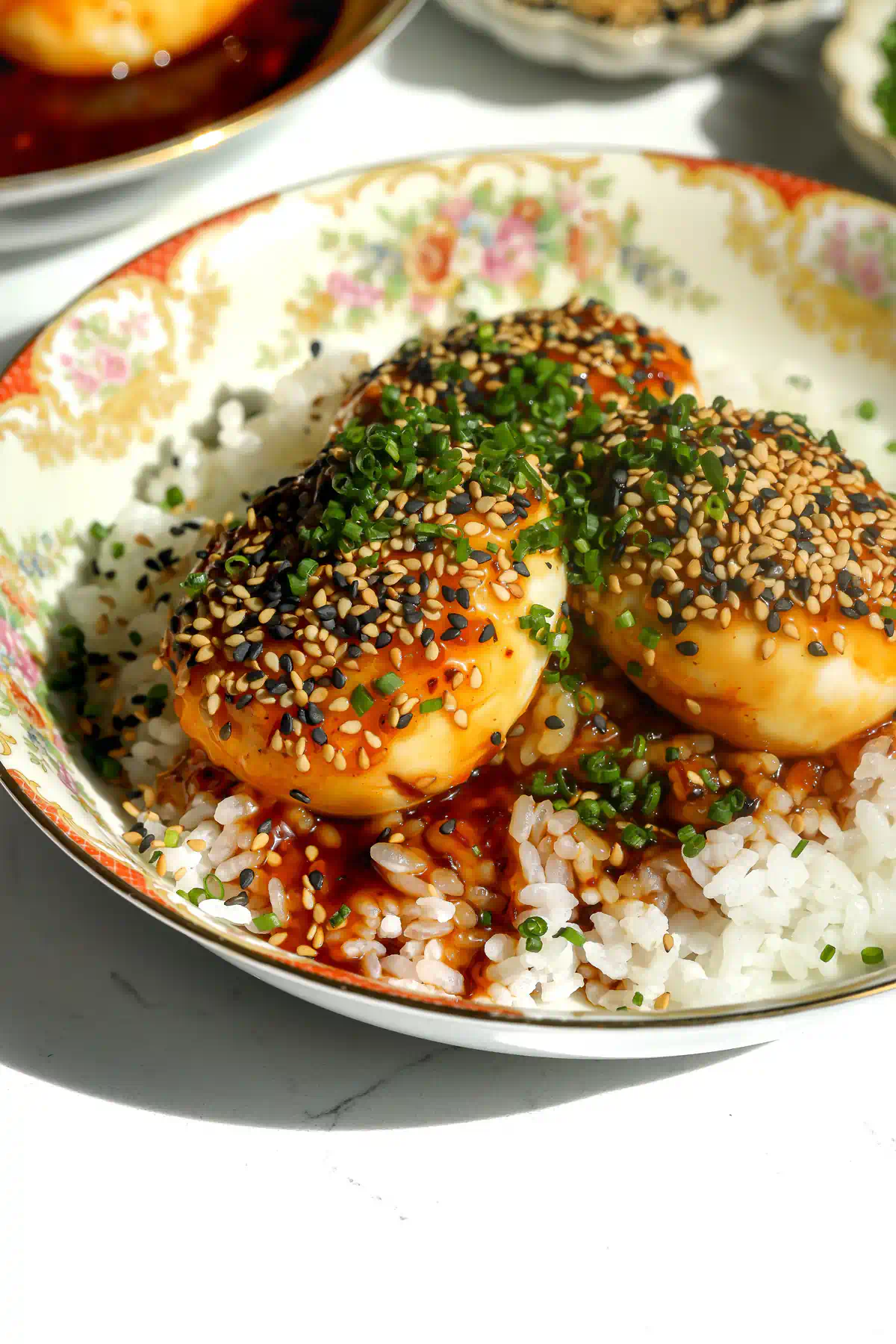
Yes, We’re Frying Them
Tiger Skin Eggs start with a tender soft-boiled egg with a rich, runny yolk…and then you fry it. A little extra? Yes. But now you have lightly crisp whites to go with that yolk, and that’s before the soy and salsa macha glaze with ginger and garlic goes on. Serve them over white rice and cut right through the middle so the yolk runs into the sauce.
Table of Contents
What are Tiger Skin Eggs?
Tiger skin eggs, or hu pi dan, are Chinese fried boiled eggs. They’re made by boiling eggs, peeling them, and frying them before adding sauce. Their name comes from the golden, wrinkled surface the whites develop in the oil. Scoring the whites adds more pronounced lines, but frying creates that tiger skin texture.
They’re often made with hard-boiled eggs and simmered in sauce. For this version, I start with soft-boiled eggs and toss them in the finished glaze off the heat to keep the yolks runny. Spoon the eggs and sauce over fresh white rice.
What They Taste Like
The outside has a little crunch, like the browned edges of a fried egg. Underneath, the white stays tender and the yolk is still runny. I fry mine just long enough to get that lightly crisp surface. You can fry them longer if you like more crunch, but the yolks will cook further, too.
The sauce is salty-sweet with a kick from the chiles and some tang from the rice vinegar. I like mine thick enough to coat the eggs, but thin enough to spoon over the rice too.
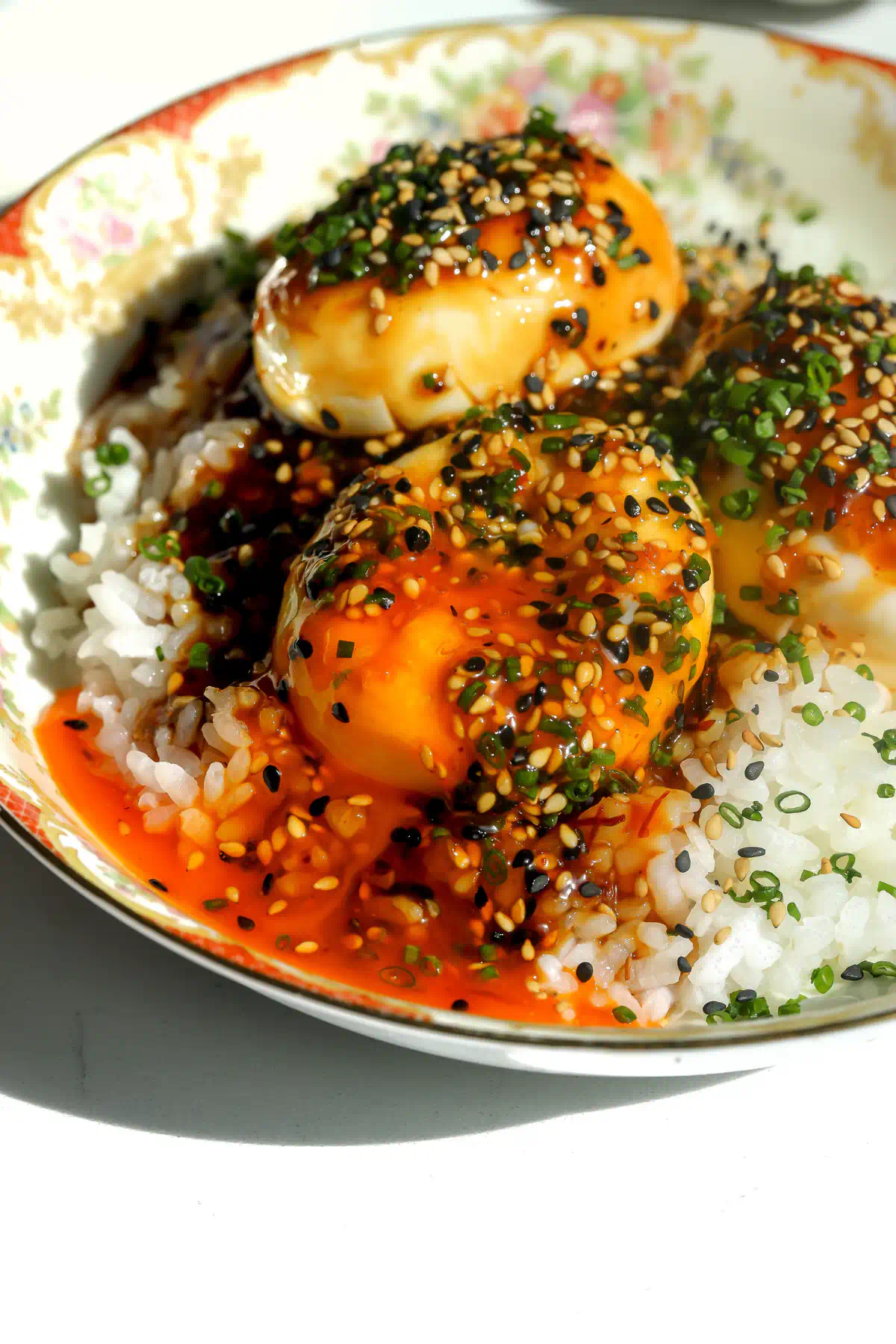
Tips and Tricks
How to Boil, Peel, and Score the Eggs
Soft-boiled eggs need a gentle hand, especially when you’re going to fry them whole. My soft-boiled egg guide has photos of the peeling method. For these tiger skin eggs, follow the longer chilling steps in this recipe.
Start with large, room-temperature eggs. Lower them gently into boiling water with a spider strainer, cover, and boil for 6 to 6½ minutes for the runny yolks in this version.
If you prefer a firmer yolk, these are approximate boil times for large eggs starting at room temperature:
- Jammy: About 7 minutes, with a thick, sticky center.
- Softly set: About 8 minutes.
- Hard-boiled: About 10 minutes.
Transfer them straight into ice water when the timer goes off. Keep in mind that the eggs will cook further when you fry them.
Give them the full chill. Leave the eggs in ice water for 10 minutes. Gently tap the shells all over with a spoon, then roll each egg on a kitchen towel with very light pressure. Return them to the ice water for another 10 minutes before peeling, starting with the first egg you cracked. Pat dry and refrigerate for an hour.
Keep the cuts shallow. Use a paring knife to score the surface of the whites. Those little cuts give the sauce crevices to settle into. Be especially gentle with a soft center so you don’t cut through to the yolk.
Dry them again before frying. Blot away any moisture after chilling and scoring. Drying helps reduce splattering, but the eggs can still pop in the oil. Keep a lid handy to use as a shield when adding or turning them.
Fry for the texture you want. I keep mine lightly crisp so the yolks stay runny. Turn them gently to brown the surface all around, working in batches so there’s room to move them. If you prefer a firm yolk and a crunchier outside, start with hard-boiled eggs and fry them a little longer.
The Sauce
Soy sauce, ginger, and garlic are the base, with rice vinegar, mirin, and sugar giving it that sweet, tangy balance. Use sambal oelek or sriracha, along with salsa macha or chili crisp, for the heat. Each combination will taste a little different, so use whichever you enjoy.
Shiro dashi is optional, but I like the extra savory flavor it adds. It’s a concentrated Japanese soup base made with dashi and seasonings such as soy sauce and mirin. The ingredients vary by brand, but it generally adds savory depth without much color.
The cornstarch slurry thickens it. Whisk the cornstarch into the water before adding it to the pan so it mixes in smoothly. I like to stop before the sauce gets too thick, while it still coats the eggs and runs over the rice. For a thicker glaze, let it simmer a little longer before adding the eggs, stopping when it reaches the consistency you like.
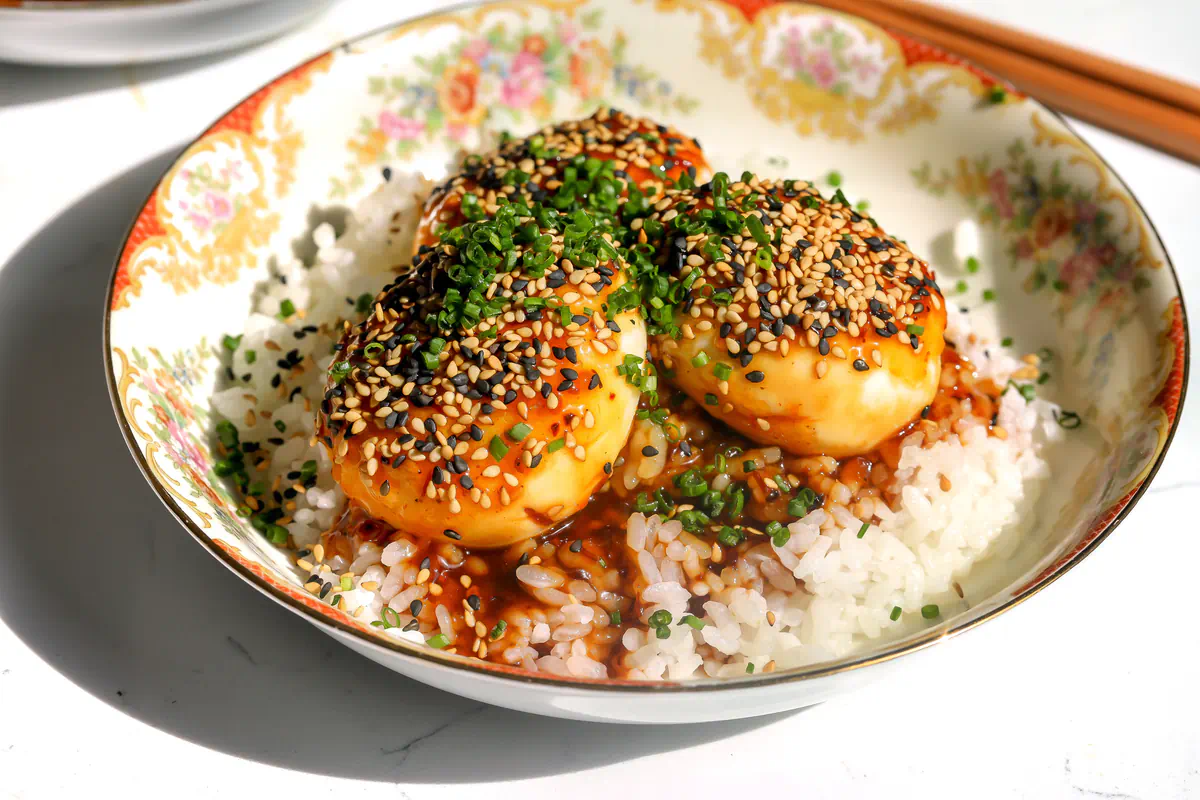
How to Serve
Welcome everyone with a Cucumbertini while you finish the eggs. For an appetizer, put a small spoonful of steamed white rice on each plate, top with one whole tiger skin egg, and spoon over some sauce. Finish with sesame seeds and chives, and serve right away with a knife and fork. Let everyone cut into their own egg so the yolk runs into the rice.
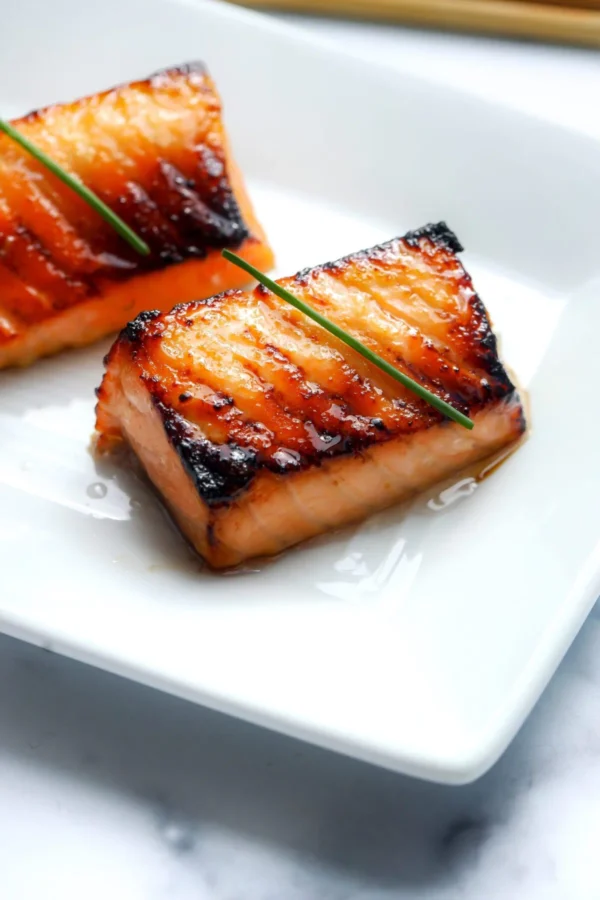
Follow with Miso Salmon (Nobu Copycat) and Sesame Handheld Salads. The romaine adds some fresh crunch alongside the salmon.
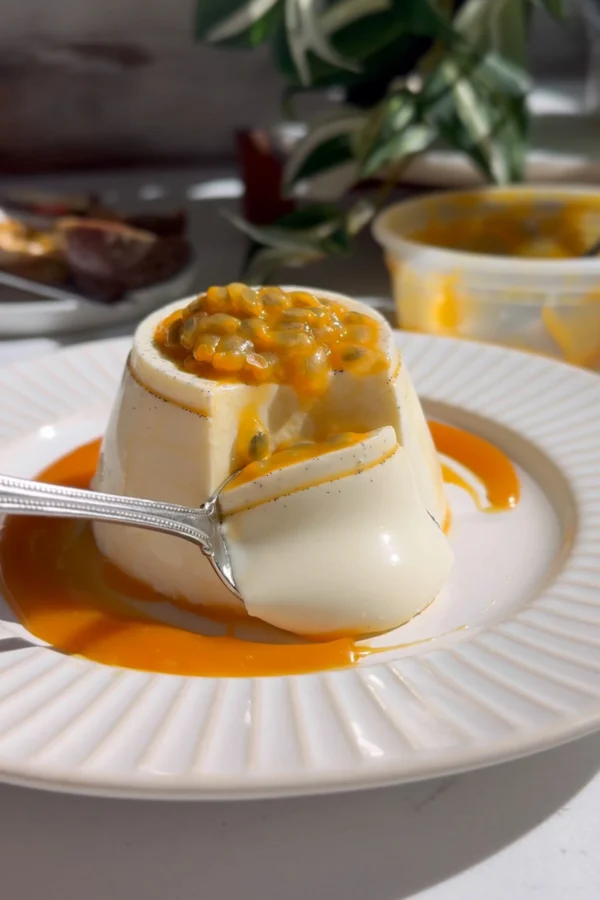
For dessert, serve Passion Fruit Panna Cotta with its tart passion fruit caramel. Make it the day before so it has time to set, then unmold and plate when you’re ready for dessert.


Want to save this recipe?
Save it to your account
or email it to yourself
Key Takeaways
- Start with large, room-temperature eggs. Boil for 6 to 6½ minutes for the runny yolks in this recipe.
- Plan for 1 hour 20 minutes of cooling. The eggs get two 10-minute ice baths, then an hour in the fridge after peeling.
- Score only the surface. Keep the cuts shallow so you don’t reach the yolk.
- Pat dry before frying. Moisture causes splattering, and even dried eggs can pop. Keep a lid handy as a shield.
- More frying means firmer yolks. Stop at a lightly crisp surface to keep the centers runny.
- Finish the sauce before adding the eggs. Turn off the heat, then gently coat the eggs and serve.
Frequently Asked Questions
Frying gives the egg whites a golden, wrinkled, blistered surface that resembles tiger skin. Scoring adds more pronounced lines.
Yes. Tiger skin eggs are often made with hard-boiled eggs. Boil large, room-temperature eggs for about 10 minutes, then follow the chilling, peeling, and frying steps. You can fry them a little longer for a crisper outside.
You can get a blistered surface without scoring, but I recommend the shallow cuts for this version. They give the sauce little crevices to settle into. Keep your knife near the surface so you don’t cut through to the yolk.
Moisture on the eggs can cause hot oil to splatter. Pat them thoroughly dry before frying and lower them into the pan gently. Even dried eggs can pop, so keep a lid handy as a shield while you turn them.
Equipment
- egg piercer, or thumbtack
- Large pot with lid
- spider strainer
- large bowl
- spoon
- kitchen towel
- paring knife
- large skillet
- small bowl
- whisk
- tongs
Ingredients
Eggs
- 9-12 large eggs, room temperature
- 1/4 cup neutral oil
Sauce
- 1 tsp ginger, grated
- 1 garlic clove, grated
- 1/4 cup soy sauce
- 1 tbsp shiro dashi, optional
- 3 tbsp rice vinegar
- 2 tbsp mirin
- 1 tbsp sambal oelek, or sriracha
- 1 tbsp salsa macha, or chili crisp
- 2 tsp sesame oil
- 1 tbsp sugar
- 1-1.5 tbsp cornstarch
- 1/4 cup water
To Serve
- steamed white rice, for serving
- sesame seeds, to taste
- chives, chopped, to taste
Instructions
- Boil the Eggs: Pierce the wide end of each egg. Bring a large pot of water to a rolling boil and gently lower the eggs in with a spider strainer. Cover and boil for 6 to 6 1/2 minutes for runny yolks (see notes for other boil times).9-12 large eggs
- Chill and Peel: Transfer the eggs to a bowl of ice water with the spider strainer and let sit for 10 minutes. Tap each egg gently all over with a spoon, then roll it very gently on a kitchen towel to crack the shell. Return the eggs to the ice water for 10 more minutes. Peel, starting with the first egg cracked, pat dry, and refrigerate for 1 hour.
- Score the Eggs: Make shallow cuts all over each egg with a paring knife.
- Fry the Eggs: Preheat a large skillet over medium-high heat for 2 to 4 minutes. Add the neutral oil and heat for 30 seconds. Add the eggs in batches and fry for 1 to 2 minutes per side, turning until blistered all over. Remove the pan from the heat, transfer the eggs to a plate, and pour off all but about 1 tbsp of the oil.1/4 cup neutral oil
- Make the Sauce: Return the pan to medium heat. Add the ginger and garlic and sauté for 1 to 2 minutes. In a small bowl, mix the soy sauce, shiro dashi, rice vinegar, mirin, sambal oelek, salsa macha, sesame oil, and sugar. Add to the pan and cook for 3 to 4 minutes.1 tsp ginger, 1 garlic clove, 1/4 cup soy sauce, 1 tbsp shiro dashi, 3 tbsp rice vinegar, 2 tbsp mirin, 1 tbsp sambal oelek, 1 tbsp salsa macha, 2 tsp sesame oil, 1 tbsp sugar
- Thicken the Sauce: Whisk the cornstarch into the water. Reduce the heat to medium-low, add the slurry to the sauce, and cook for 5 to 6 minutes, whisking often, until thickened.1-1.5 tbsp cornstarch, 1/4 cup water
- Coat and Serve: Turn off the heat. Add the eggs and toss to coat in the sauce. Serve over steamed white rice and top with sesame seeds and chives.sesame seeds, chives, steamed white rice
Kitchen Cam
Notes
Jammy: 7 minutes (a thick, sticky center)
Softly Set: 8 minutes
Hard-boiled: 10 minutes
Nutrition
Nutrition information is automatically calculated, so should only be used as an approximation.