
This post may contain affiliate links. Please read our disclosure policy.

Cioppino, also known as Fisherman’s Stew, made its start in the late 1800s in San Francisco, California. Its origins are actually really sweet. When a fisherman would come back empty-handed after a day’s work, he would walk around with a pot. The other fishermen would throw in what they could spare…and that is how we got Cioppino. Later, Italian restaurants in San Francisco began making it with the catch of the day. And that is how we wound up with this delicious, rich, and savory seafood stew.
Table of Contents
Homemade Seafood Stock for Cioppino
Making a homemade seafood stock adds depth and builds the flavor before you even start the stew. You can always use store-bought, but the extra time is worth it to make it yourself.
Make sure you keep it at a gentle simmer and don’t let it boil. Go easy on the salt while it simmers too. It reduces down and gets seasoned again once it’s in the stew. So going light and adjusting later is better.

Searing the Seafood
When I worked in the restaurant, cioppino was one of my specialties, and searing the seafood was what made it stand out. Most recipes add the seafood into the stew to cook, so they come out poached, not seared. Yes, this is an extra pan. But having that golden crust and not having to worry about when you’re adding it into the stew and possibly overcooking it is worth an extra dish to clean. Here is step-by-step on how to get that perfect sear:
Dry Everything: Make sure all your seafood is dry before adding it to the hot oil.
Sear in Batches: These all need different sear times, so adding them separately makes it a lot easier to keep an eye on them, and they each don’t take very long anyways. Probably heat your olive oil to start and add more as needed between batches.
Salmon: Sear it skin-side down first. Give it 4 to 5 minutes without moving it so the skin crisps and releases on its own, then flip and cook 2 to 4 minutes more to 145°F.
Halibut: Sear 3 to 4 minutes per side until it’s golden and just flakes, and pull it right at 145°F before it goes past.
Scallops: Pull off the little side muscle if it’s still attached. Make sure your pan is good and hot, then let them sear undisturbed for 1.5 to 2 minutes. They should release on their own and have a golden crust. Flip and sear for 1 to 2 more minutes until they reach an internal temperature of 145°F.
Shrimp: These go fast. 1 to 2 minutes per side, just until they turn opaque and pink. They’re too small to temp, so go by color.
Other Seafood Options
Cioppino started as a catch-of-the-day stew, so use what looks best at the counter and have fun with it.
Halibut: Any white fish works. Firmer ones like sea bass, grouper, and snapper hold their shape best when you sear them and set them on top. Cod and haddock are classic here too, they just flake a little more. More delicate fish like tilapia, sole, or flounder work as well, they’re only more fragile, so cut them into larger pieces and handle them gently in the pan.
Shellfish: littleneck clams are the classic addition and go right in with the mussels to open in the broth. Dungeness crab is the original San Francisco version if you want to go traditional, and lobster tail or squid both work well too.
Shrimp and Scallops: These are flexible. Use more of one and less of the other, or swap one out entirely.
Frozen Seafood: Thaw it all the way and pat it very dry before it hits the pan. If you leave water on the surface the seafood steams instead of searing and you won’t have nearly as good of a sear.
Make-Ahead and Storage
Make the broth and the seafood stock up to two days out and keep them in the fridge. When you’re ready to eat, bring the broth back to a simmer, sear the seafood fresh, and cook the mussels off in the broth. Because the seafood is seared and added at the end, you’re never reheating cooked fish, which is where most seafood stews fall apart.
Don’t freeze the finished stew with the seafood in it. Leftovers keep in the fridge for two to three days. Reheat gently over low heat and stop as soon as it’s hot. A hard boil will toughen the seafood.
How to Serve
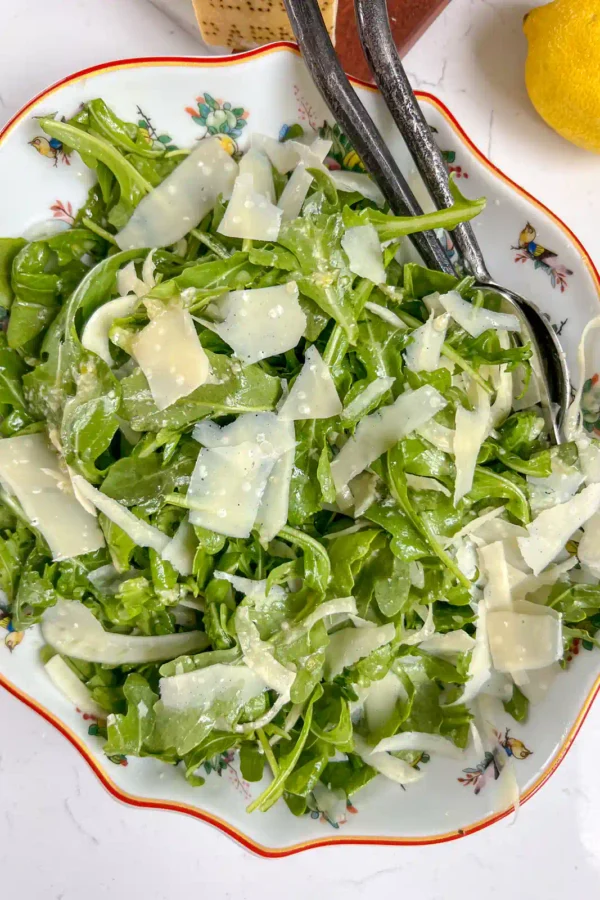
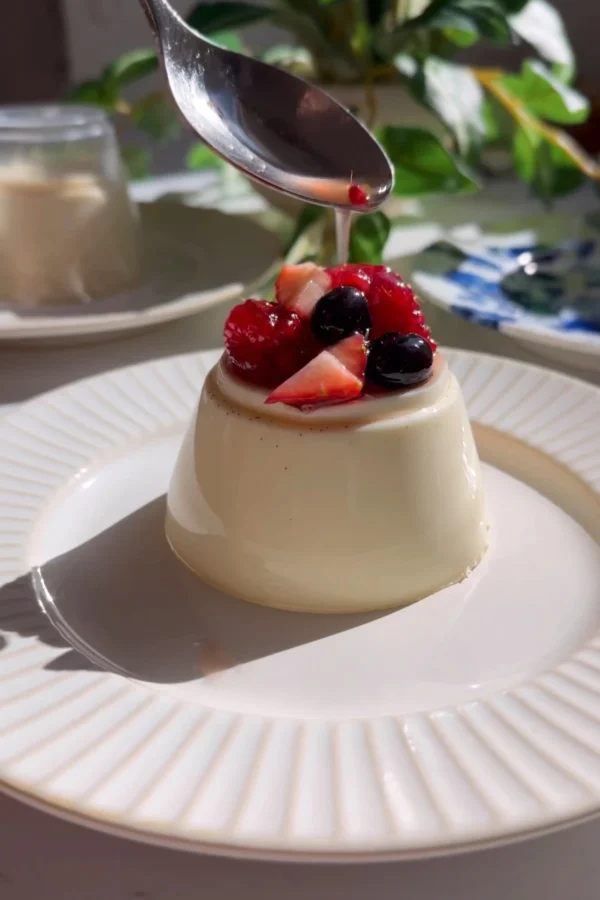
A glass of red wine, toasted garlic bread, and cioppino is a combo that you can’t beat. If you’re looking for an appetizer, Pesto Tomato Caprese or Anchovy Bruschetta. A fresh Arugula Salad on the side. For dessert, I recommend my Italian Berry Panna Cotta. This is make-ahead and my go-to for most of my dinners and parties.


Want to save this recipe?
Save it to your account
or email it to yourself
Frequently Asked Questions
Searing gives you a golden crust and full control over how each piece cooks. Dropped into the broth to simmer, the seafood poaches and overcooks fast. The mussels are the exception, they cook in the broth so their liquor seasons it.
Yes. Make the broth and stock up to two days ahead, then sear the seafood fresh and finish the mussels in the broth when you’re ready to serve. Don’t freeze the stew with the seafood in it.
The homemade shrimp-shell stock is what gives the broth its backbone, so it’s worth it. If you’re short on time, bottled clam juice or store-bought seafood stock will get you there.
A dry white you’d actually drink, like Pinot Grigio or Sauvignon Blanc. To skip the alcohol, use clam juice or more seafood stock.
Yes. Thaw it completely and pat it very dry before searing, or the surface water steams instead of crisping.
They open. Give them a few minutes in the simmering broth and toss any that stay shut.
The Calabrian chili paste brings a moderate, fruity heat. Use less for a milder pot or more if you like it hot.

Equipment
- Cassadou pan
- fine mesh strainer
- large bowl
- dutch oven
- pan
- baking sheet
Ingredients
Seafood Stock
- tails from shrimp
- 2 tbsp black peppercorns
- ½ cup white wine
- 1 onion, chopped
- 2 celery ribs, chopped
- 2 carrots, chopped
- 2 bay leaves
- salt and pepper, to taste
- 8 cups water
Cioppino Base
- 1 tsp olive oil
- 4 oz pancetta, diced
- 1 onion, minced
- 2 shallots, minced
- 2 tbsp tomato paste
- 2 tbsp calabrian chili paste
- ½ tsp saffron
- 1 fennel bulb, shaved
- 4 garlic cloves, thinly sliced
- 1 cup white wine
- 28 oz roasted tomatoes, crushed
- reserved halibut skin
- 1 tbsp tarragon
- 2 tbsp butter
- 1 lb black mussels, washed and debearded
Garlic Oregano Bread
- 8 slices ciabatta
- 8 tbsp unsalted butter, room temperature
- ½ tsp garlic powder
- 1 tsp dried oregano
- pinch of salt
Seafood & Garnish
- 12 oz skin-on salmon
- 8 scallops
- 1 lb shrimp
- 12 oz skin-on halibut, skin removed and reserved
- black pepper, to taste
- chives, chopped
Instructions
- Prep the Seafood: Peel the shrimp and reserve the shells for the stock. Remove the halibut skin in one piece and reserve it for the broth. Put the shrimp and halibut back into the refrigerator until ready to sear.
- Make the Seafood Stock: Preheat a cassadou pan with olive oil. Add the reserved shrimp shells and peppercorns. Deglaze with ½ cup white wine. Add onion, celery, carrots, bay leaves, salt and pepper, and water. Simmer covered for 45 minutes. Strain through a fine-mesh strainer into a large bowl, discard the solids, and reserve the liquid.tails from shrimp, 2 tbsp black peppercorns, ½ cup white wine, 1 onion, 2 celery ribs, 2 carrots, 2 bay leaves, salt and pepper, 8 cups water
- Build the Base: Preheat a dutch oven on medium heat for 2 minutes. Add olive oil and pancetta. Sauté on medium-low for 5 minutes. Add the minced onion and shallots. Sauté for 5 minutes.1 tsp olive oil, 4 oz pancetta, 1 onion, 2 shallots
- Sauté the Aromatics: Add tomato paste, Calabrian chili paste, saffron, fennel, and garlic. Drizzle with olive oil. Cook on medium for 5 minutes. Pour in 1 cup white wine to deglaze.2 tbsp tomato paste, 2 tbsp calabrian chili paste, ½ tsp saffron, 1 fennel bulb, 4 garlic cloves, 1 cup white wine
- Simmer the Broth: Add the crushed tomatoes, seafood stock, and reserved halibut skin. Lower the heat and simmer covered for 30 minutes.28 oz roasted tomatoes, reserved halibut skin
- Make the Garlic Bread: Preheat the oven to 350°F (177°C). While the broth simmers, combine the butter, garlic powder, oregano, and salt. Spread onto the ciabatta slices. Bake for 10-15 minutes until golden.8 slices ciabatta, 8 tbsp unsalted butter, ½ tsp garlic powder, 1 tsp dried oregano, pinch of salt
- Sear the Seafood: Heat a pan over medium-high with olive oil and sear one type at a time, working from longest to shortest and adding a little oil between batches as needed. Start with the salmon, skin-side down for 4 to 5 minutes until the skin is crisp, flip, and cook 2 to 4 minutes to 145°F (63°C). Sear the halibut 3 to 4 minutes per side until golden and it flakes, to 145°F (63°C). Sear the scallops 1 to 2 minutes per side until a golden crust forms and they reach 145°F (63°C). Sear the shrimp 1 to 2 minutes per side until opaque. Set all seared seafood aside. Do not add it to the broth.12 oz skin-on salmon, 8 scallops, 1 lb shrimp, 12 oz skin-on halibut
- Cook the Mussels: Remove and discard the halibut skin from the broth. Add the tarragon, 2 tbsp butter, and mussels. Cover and cook until the mussels open, about 5 minutes. Discard any mussels that stay closed.1 tbsp tarragon, 1 lb black mussels, 2 tbsp butter
- Assemble: Ladle the broth and mussels into bowls. Arrange the seared salmon, scallops, shrimp, and halibut on top. Garnish with black pepper and chives. Serve with the garlic oregano bread.black pepper, chives
Kitchen Cam
Nutrition
Nutrition information is automatically calculated, so should only be used as an approximation.


One of the best things I have ever made! Seriously. So delicious! My guests couldn’t stop raving about it! Definitely a keeper for special occasions. 🙌🏻
Thank you so much Mariana! ♥️ This one is so delicious!
I am making this for Christmas Eve! Wondering how long to cook the seafood – just a hard sear or longer? Also clarifying the mussels, butter and tarragon go into the tomato broth and not in the sear pan. Thanks!
Hey Ali, I’m so sorry I didn’t see this in time for Christmas Eve! The seafood is a hard sear but then you fully cook it because you will be adding the sauce on top, not cooking it further. The mussels, butter and tarragon go in the tomato broth. I updated the recipe card so hopefully it expresses that better now. I hope you liked it!